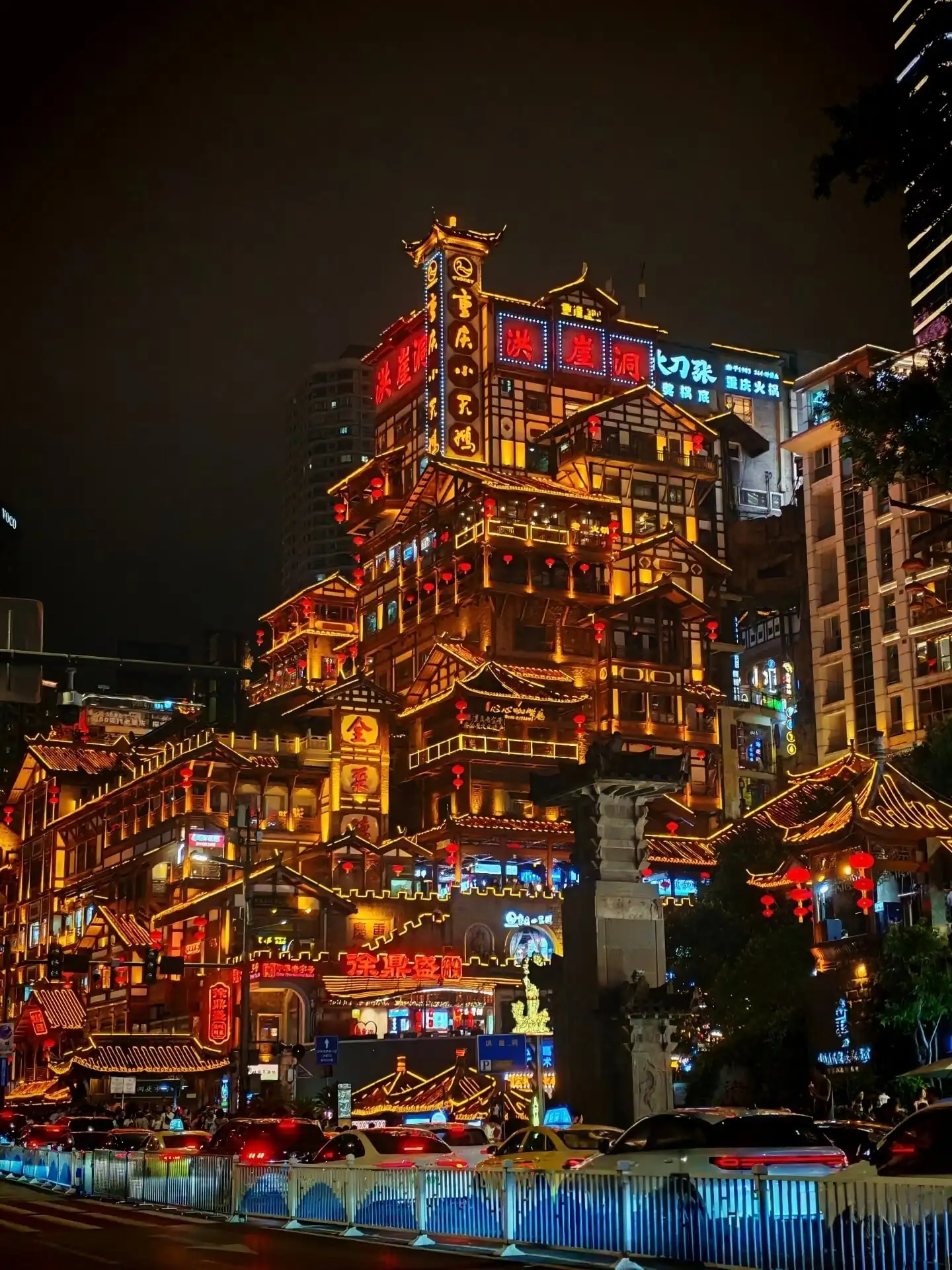
Planning your first trip to China? Two cities probably stand out immediately: Beijing, the historic capital, and Shanghai, the dazzling modern metropolis. ✨
But if you only have time to visit one, which city should you choose first?
Should you walk along the Great Wall, explore the Forbidden City, and discover centuries of Chinese history? 🏯 Or would you rather admire Shanghai’s futuristic skyline, stroll along the Bund, and experience a vibrant mix of Chinese and international culture? 🌃
The truth is that Beijing and Shanghai offer two very different ways to experience China. Neither city is universally better—it depends on your interests, travel style, budget, and how much time you have.
In this guide, we’ll compare Beijing vs. Shanghai to help you decide where to start your China adventure. 🇨🇳✈️
🏆 Quick Answer: Beijing or Shanghai?
Choose Beijing first if you love history, iconic landmarks, traditional Chinese culture, and once-in-a-lifetime experiences.
Choose Shanghai first if you prefer modern city life, stylish neighborhoods, international dining, shopping, and an easy introduction to urban China.
Here’s a quick comparison:
| Category | 🏯 Beijing | 🌆 Shanghai |
|---|---|---|
| Best for | History and culture | Modern city life |
| Famous landmarks | Great Wall, Forbidden City | The Bund, Oriental Pearl Tower |
| Overall atmosphere | Historic, monumental, traditional | Modern, international, energetic |
| Food highlights | Peking duck, Beijing noodles | Xiaolongbao, shengjianbao |
| Shopping | Traditional markets, malls | Luxury shopping, boutiques, malls |
| Getting around | Extensive subway and buses | Extensive subway and buses |
| Suggested stay | 3–4 days | 2–4 days |
| Best for first-time visitors | Travelers seeking iconic Chinese history | Travelers seeking a modern city experience |
💡 Our recommendation: If this is your first trip to China and you want to understand its history and cultural heritage, start with Beijing. If you’re more interested in contemporary city life, food, shopping, and international influences, Shanghai may be the better choice.
And if your schedule allows, visiting both cities gives you a much more complete introduction to China. 🚄
🏯 1. Beijing: Best for History, Culture, and Iconic Landmarks
Beijing is one of the best places to begin exploring China’s long history. As the country’s capital, it is home to imperial palaces, ancient temples, traditional neighborhoods, and some of the world’s most recognizable historical landmarks.
If you dream of seeing the Great Wall in person or walking through the Forbidden City, Beijing deserves a place at the top of your itinerary. ❤️
🧱 Must-See Attractions in Beijing
1. The Great Wall of China 🐉
No trip to Beijing feels complete without visiting the Great Wall. Its mountain scenery, watchtowers, and enormous scale make it one of China’s most unforgettable experiences.
Popular sections include:
-
Mutianyu: A popular choice for many international visitors, with restored walls and mountain views.
-
Badaling: One of the best-known and most accessible sections, which can be busy.
-
Jinshanling: A good option for travelers interested in longer walks and more rugged scenery.
📸 Travel tip: Allow a substantial part of the day for a Great Wall excursion, including transportation. Choose your section based on your fitness level, available time, and preferred experience.
2. The Forbidden City 🏯
Located in the heart of Beijing, the Forbidden City was the imperial palace of Chinese emperors for centuries. Its grand gates, courtyards, halls, and intricate architectural details offer a fascinating look at imperial China.
Book your visit in advance and check the official admission requirements before traveling.
3. Tiananmen Square 🇨🇳
This famous public square is closely connected to modern Chinese history. It is often combined with a visit to the Forbidden City, depending on access arrangements and your itinerary.
4. The Temple of Heaven 🌳
The Temple of Heaven is known for its elegant architecture and historical role in imperial ceremonies. The surrounding park is also a wonderful place to observe local residents exercising, practicing tai chi, or socializing.
5. Beijing’s Hutongs 🚲
Hutongs are traditional alleyways that reveal a different side of Beijing. Wander through historic neighborhoods, discover small cafés, and see how older residential areas coexist with the modern city.
🍜 What to Eat in Beijing
Beijing is an excellent destination for travelers who want to explore northern Chinese cuisine.
-
🦆 Peking duck: Crispy-skinned duck traditionally served with pancakes and accompaniments.
-
🍜 Zhajiangmian: Noodles served with a savory soybean-based sauce.
-
🥞 Jianbing: A popular street-food breakfast made with a thin savory pancake.
-
🥟 Dumplings: A classic choice for a casual meal.
-
🍢 Traditional snacks: Explore local food streets and markets to discover regional specialties.
Food tip: Don't limit yourself to famous restaurants. Small neighborhood eateries can be a great way to discover everyday Beijing food.
👤 Who Should Visit Beijing First?
Beijing is especially suitable for:
-
🏛️ History lovers and culture enthusiasts.
-
📸 Travelers who want to see China's most iconic landmarks.
-
👨👩👧 Families interested in educational and cultural experiences.
-
🧭 First-time visitors who want a strong introduction to traditional Chinese history.
-
🚶 Travelers who enjoy walking through historic sites and neighborhoods.
Suggested stay: 3–4 days, or longer if you want a more relaxed pace or additional excursions.
🌆 2. Shanghai: Best for Modern China, Shopping, and City Life
If Beijing shows you the grandeur of China’s past, Shanghai gives you a glimpse of its contemporary energy. 🌟
Shanghai is known for its striking skyline, historic waterfront, fashionable shopping streets, international restaurants, art spaces, and lively neighborhoods.
It can feel very different from the historic atmosphere of Beijing, making it an appealing first stop for travelers who enjoy modern urban destinations.
🏙️ Must-See Attractions in Shanghai
1. The Bund 🌃
The Bund is one of Shanghai’s most recognizable waterfront areas. Along the Huangpu River, you can see historic buildings on one side and the futuristic skyline of Pudong on the other.
Visit during the day to appreciate the architecture, then return in the evening for the illuminated skyline. ✨
2. Lujiazui and Shanghai Tower 🏙️
Pudong’s Lujiazui financial district is famous for its skyscrapers. Shanghai Tower, Shanghai World Financial Center, and the Oriental Pearl Tower create a dramatic modern cityscape.
If you enjoy panoramic views, check which observation decks are open and book ahead when necessary.
3. Yu Garden and the Old City 🌿
Yu Garden offers traditional Chinese garden design, while the surrounding area features historic-style architecture, shops, and food stalls.
It’s a useful stop if you want to combine Shanghai’s modern attractions with a taste of traditional Chinese aesthetics.
4. Nanjing Road 🛍️
Nanjing Road is one of Shanghai’s best-known shopping streets. You’ll find major retail brands, department stores, restaurants, and plenty of people-watching opportunities.
5. The Former French Concession ☕
This area is popular for its tree-lined streets, cafés, independent boutiques, and historic architecture. It’s a great place to slow down, take photos, and explore Shanghai beyond the major tourist landmarks.
6. Shanghai Disneyland 🏰
Traveling with children or theme-park fans? Shanghai Disneyland can be a major highlight. Set aside a full day if you plan to visit, and check ticket availability and park schedules in advance.
🥟 What to Eat in Shanghai
Shanghai and the surrounding Jiangnan region are famous for delicate flavors, dumplings, and dishes that often have a sweet-savory balance.
-
🥟 Xiaolongbao: Soup dumplings filled with savory meat and hot broth.
-
🥮 Shengjianbao: Pan-fried buns with crispy bottoms and juicy fillings.
-
🍜 Scallion oil noodles: Simple noodles coated in fragrant scallion oil and sauce.
-
🦀 Hairy crab: A seasonal regional specialty, typically associated with autumn.
-
🍡 Local sweets and pastries: Look for traditional bakeries and neighborhood snack shops.
🥢 Food tip: Be careful when biting into soup dumplings—the broth inside can be extremely hot!
👤 Who Should Visit Shanghai First?
Shanghai is particularly appealing to:
-
🌆 Travelers who love modern architecture and city skylines.
-
🛍️ Shopping enthusiasts and fashion lovers.
-
☕ Visitors who enjoy cafés, design shops, galleries, and trendy neighborhoods.
-
🍽️ Food lovers interested in regional Chinese and international cuisine.
-
👨👩👧 Families planning a visit to Shanghai Disneyland.
-
✈️ Travelers who want to combine sightseeing with a cosmopolitan city break.
Suggested stay: 2–4 days, depending on whether you want to include Disneyland, museums, or nearby destinations.
⚖️ 3. Beijing vs Shanghai: The Biggest Differences
Now that you know what each city offers, let's compare them in more detail.
🏛️ History and Culture: Beijing Wins
Beijing is the stronger choice if historical landmarks are your main priority.
The Great Wall, Forbidden City, Temple of Heaven, and historic hutongs provide a deeper connection to China’s imperial past.
Shanghai also has significant history, including its historic waterfront buildings, former concessions, traditional gardens, and old neighborhoods. However, its most famous tourist image is more closely associated with modern city life.
Winner for history-focused travelers: Beijing.
🌇 Modern City Experience: Shanghai Wins
Shanghai is a great place to experience contemporary urban China. Its skyscrapers, shopping districts, art spaces, cafés, and waterfront skyline create a dynamic city atmosphere.
Beijing also has modern shopping centers, business districts, and a lively contemporary culture, but its historic landmarks play a more central role in many visitors’ itineraries.
Winner for modern city life: Shanghai.
🍜 Food: It Depends on Your Taste
Food is one of the best reasons to visit both cities!
Beijing is known for Peking duck, northern-style noodles, dumplings, and hearty regional dishes. Shanghai is famous for soup dumplings, pan-fried buns, scallion oil noodles, and Jiangnan-style cuisine.
Neither city is a universal winner. Your favorite may depend on whether you prefer richer northern flavors or the sweet-savory dishes associated with Shanghai.
Winner: A tie. Try both if you can! 🥢
🚇 Transportation: Both Are Well Connected
Both Beijing and Shanghai have extensive subway systems, public buses, taxis, and app-based ride services.
In either city, public transportation can be a practical way to reach major attractions. However, distances between attractions can be considerable, and popular sights may require advance planning.
Before traveling, prepare your payment options, confirm how you will use navigation apps, and save important addresses in Chinese when possible.
🚄 If you plan to visit both cities, China's high-speed rail network makes the journey convenient. The fastest services between Beijing and Shanghai take roughly 4.5 hours, although journey times vary by train and station.
💰 Cost: Which City Is Cheaper?
Your total travel cost depends more on your choices than on the city alone.
Accommodation, restaurant choices, attractions, shopping, and transportation can all affect your budget. Both cities offer budget-friendly meals and public transport as well as luxury hotels and expensive experiences.
| Expense | Beijing | Shanghai |
|---|---|---|
| Accommodation | Budget to luxury options | Budget to luxury options |
| Food | Street food to fine dining | Street food to fine dining |
| Transport | Extensive public transport | Extensive public transport |
| Major attractions | Some popular sights require advance planning | Some skyline attractions and theme parks can be costly |
| Budget strategy | Group nearby historic sights together | Combine free walks with selected paid attractions |
💡 Money-saving tip: Compare hotel locations before booking. A cheaper hotel far from the places you want to visit may cost you extra time and transportation money.
📅 Best Time to Visit
Both cities are worth visiting throughout the year, but spring and autumn are often comfortable periods for sightseeing.
Beijing 🌸🍂
-
Spring: Pleasant days are possible, although dust and variable weather can occur.
-
Summer: Hot weather and rain are possible; popular attractions can be crowded.
-
Autumn: Often a favorite season for outdoor sightseeing and Great Wall views.
-
Winter: Cold conditions can make the city quieter, but outdoor visits require warm clothing.
Shanghai 🌸🍁
-
Spring: Mild days are often suitable for walking around the city.
-
Summer: Hot, humid weather and heavy rain are possible.
-
Autumn: Often a comfortable time for city walks and outdoor activities.
-
Winter: Generally less severe than Beijing, but it can still feel damp and chilly.
🌤️ Check the forecast before departure and plan outdoor attractions around the weather.
🗓️ 4. How Many Days Do You Need?
The ideal length of your trip depends on what you want to see.
🏯 Beijing Itinerary: 3 Days
Day 1: Imperial Beijing
-
Visit the Forbidden City.
-
Explore the Tiananmen Square area if access arrangements permit.
-
Enjoy a traditional Beijing dinner. 🦆
Day 2: The Great Wall
-
Spend much of the day visiting a suitable Great Wall section.
-
Allow time for travel to and from the site.
-
Enjoy a relaxed evening back in the city. 🧱
Day 3: Temples and Hutongs
-
Visit the Temple of Heaven.
-
Explore traditional hutongs.
-
Try local noodles or street food. 🍜
If you have four days, consider adding the Summer Palace or allowing more time for museums and historic neighborhoods.
🌆 Shanghai Itinerary: 3 Days
Day 1: Skyline and the Bund
-
Walk along the Bund.
-
Explore the Pudong skyline.
-
Enjoy the city lights after sunset. 🌃
Day 2: Traditional Shanghai
-
Visit Yu Garden and its surrounding area.
-
Explore Nanjing Road.
-
Try xiaolongbao and shengjianbao. 🥟
Day 3: Neighborhoods and Cafés
-
Walk through the Former French Concession.
-
Visit a museum, gallery, or independent shop.
-
Enjoy a relaxed dinner in a neighborhood restaurant. ☕
If Shanghai Disneyland is a priority, consider adding an extra day rather than squeezing it into this itinerary.
🚄 5. Can You Visit Both Beijing and Shanghai in One Trip?
Absolutely! If you have enough time, visiting both cities is one of the best ways to experience the contrast between historic and modern China.
A high-speed train journey connects the two cities, and the fastest services take roughly 4.5 hours. Remember to account for travel to the station, security checks, boarding, and transportation after arrival.
Here are two possible itineraries:
✈️ 7-Day China Itinerary
-
Days 1–3: Beijing — the Forbidden City, Great Wall, Temple of Heaven, and hutongs.
-
Day 4: Take a high-speed train to Shanghai.
-
Days 5–6: Shanghai — the Bund, Yu Garden, shopping streets, and local neighborhoods.
-
Day 7: Enjoy a final meal or a little more sightseeing before departure.
🇨🇳 10-Day China Itinerary
-
Days 1–4: Beijing — explore major historical landmarks at a relaxed pace.
-
Day 5: Travel to Shanghai by high-speed train.
-
Days 6–8: Shanghai — explore the skyline, food, shopping, and cultural attractions.
-
Days 9–10: Add a day trip or enjoy more time in your favorite city, depending on your flight schedule.
💡 Planning tip: Check whether your international flight arrives in one city and departs from the other. An open-jaw itinerary can sometimes save you from backtracking, although flight prices and schedules vary.
📱 6. Practical Tips for First-Time Visitors
Whether you choose Beijing or Shanghai, a little preparation can make your trip much easier.
-
📲 Prepare mobile payments: Research how to set up supported payment methods before arrival. Some overseas cards can be linked to major Chinese payment apps, subject to eligibility and verification.
-
🗺️ Prepare navigation: Check which maps and transport apps work well for your devices and travel needs.
-
🌐 Plan your connectivity: Research a tourist SIM card or eSIM and confirm compatibility with your phone.
-
🚄 Book major attractions and trains early: Popular dates and attractions may have limited availability or specific reservation rules.
-
🛂 Check entry requirements: Visa and entry policies depend on your nationality, travel purpose, and dates. Confirm current rules before departure.
-
🥢 Learn a few Chinese phrases: Even simple expressions can help with ordering food, finding directions, and asking for assistance.
-
🧳 Avoid overpacking your schedule: Both cities are large. Group nearby attractions together to reduce travel time.
✨ Want to make planning easier? Read Fugo's guides to [How to Pay in China], [Best Apps for Traveling in China], and [How to Get Around China] before your trip.
❓ 7. Frequently Asked Questions
Is Beijing or Shanghai better for first-time visitors to China?
Both are excellent choices. Beijing is ideal for travelers who want to explore iconic historical sites, while Shanghai is a strong choice for visitors interested in modern city life, shopping, and international dining.
Is Shanghai easier to travel around than Beijing?
Neither city is universally easier. Both have extensive public transportation and plenty of accommodation options. Your experience will depend on where you stay, which attractions you visit, and how well you prepare for payments, navigation, and language differences.
Is Beijing more expensive than Shanghai?
Not necessarily. Costs depend on accommodation, dining, transportation, and activities. Both cities have options for budget travelers and luxury visitors, so compare specific hotels and experiences rather than assuming one city is always cheaper.
Which city has better food, Beijing or Shanghai?
That depends on your preferences. Beijing is famous for Peking duck and northern-style noodles, while Shanghai is known for soup dumplings, pan-fried buns, and regional Jiangnan dishes. Food lovers can find excellent meals in both cities.
Can I travel from Beijing to Shanghai by high-speed train?
Yes. High-speed trains connect the two cities, with the fastest services taking roughly 4.5 hours. Check current schedules, departure stations, ticket availability, and passport requirements before booking.
Should I visit Beijing or Shanghai in winter?
Beijing is colder and can be appealing if you want a winter visit to historic landmarks, provided you're prepared for low temperatures. Shanghai is generally milder but can be damp and chilly. Choose based on your weather preferences and planned activities.
If I only have three days in China, which city should I choose?
Choose Beijing if the Great Wall and imperial history are your top priorities. Choose Shanghai if you prefer a modern skyline, shopping, food, and exploring vibrant neighborhoods. With only three days, concentrating on one city will usually give you a less rushed experience.
❤️ Final Verdict: Beijing or Shanghai?
So, Beijing vs Shanghai—which city should you visit first?
🏯 Choose Beijing for the Great Wall, the Forbidden City, traditional neighborhoods, and a deeper introduction to China's imperial history.
🌆 Choose Shanghai for its iconic skyline, waterfront views, shopping, cafés, and contemporary urban culture.
🚄 Choose both if you have enough time to experience two very different sides of China.
There's no single right answer. The best first city is the one that matches your interests and travel style.
And whichever you choose, a little planning can help you spend less time worrying about logistics and more time enjoying your trip.
✈️ Ready to Plan Your China Adventure?
Want help choosing destinations, building a practical itinerary, or understanding transportation, hotels, and mobile payments?
Travel China Your Way with Fugo. 🇨🇳✨
🎁 Get Fugo's FREE China Travel Guide and start planning a trip that fits your interests, budget, and schedule.
Your China trip starts here. ❤️