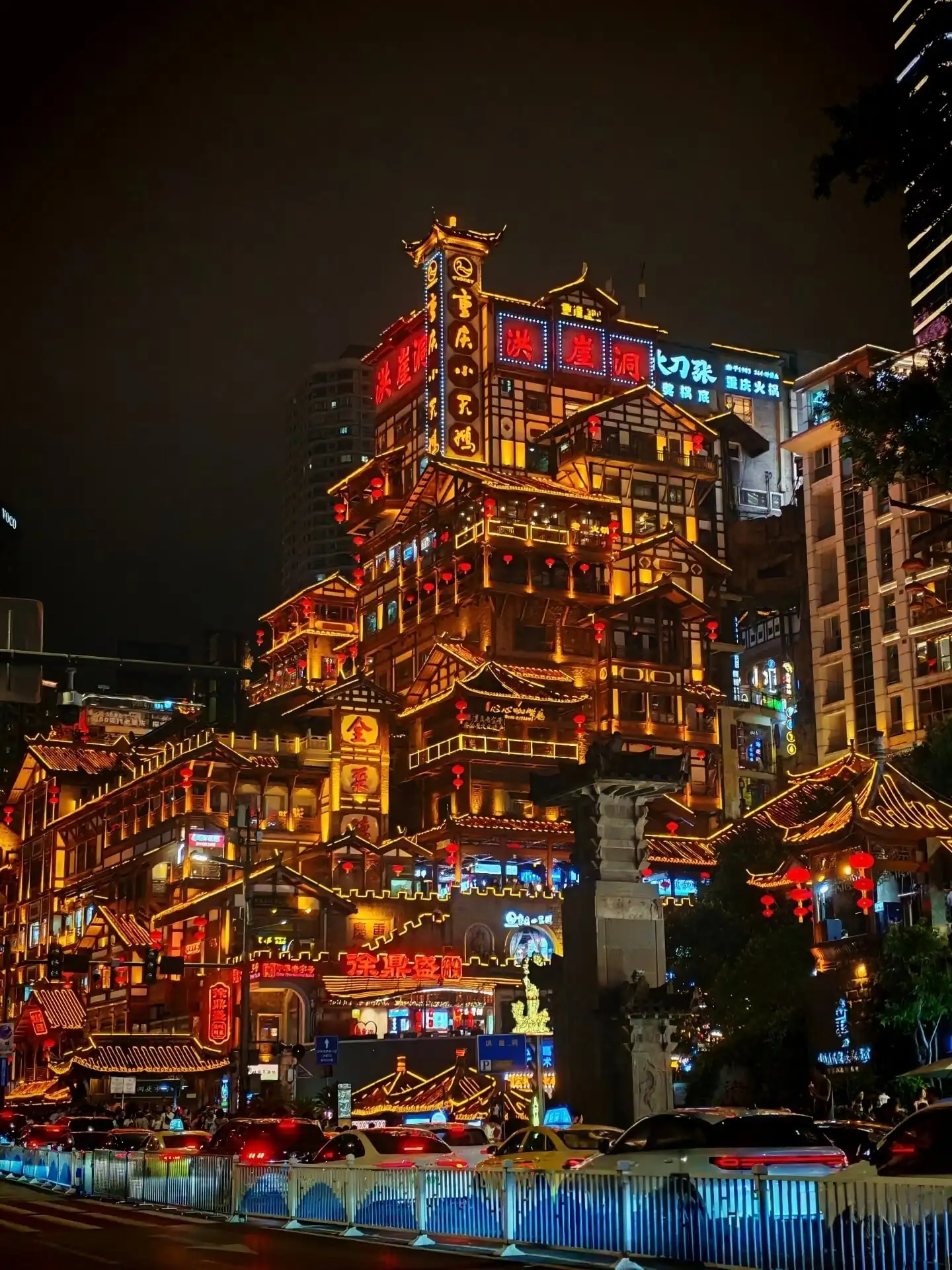
What to Eat in China: 20 Foods Every Traveler Should Try 🇨🇳🍜
Planning a trip to China? Get ready to discover a food scene that's just as incredible as the country's ancient temples, modern cities, and breathtaking landscapes! 🥢✨
From crispy Peking duck in Beijing 🦆 to spicy hot pot in Chengdu 🌶️, juicy soup dumplings in Shanghai 🥟, and hand-pulled noodles in Xi'an 🍜, every region has its own flavors, traditions, and delicious surprises.
But with so many dishes to choose from, what should you eat in China if you're visiting for the first time? 🤔
Don't worry! Whether you love spicy food, prefer mild flavors, enjoy street food, or want to try something completely new, this guide introduces 20 Chinese foods every traveler should try.
You'll also discover where to find them, what they taste like, and how to order food in China—even if you don't speak Chinese. 📱🍽️
Let's dig in!
🥢 1. Peking Duck (北京烤鸭) — Beijing
📍 Best place to try it: Beijing
If there's one famous Chinese dish you should try in Beijing, it's Peking duck!
This iconic dish is known for its thin, crispy skin and tender meat. It's traditionally served with thin pancakes, cucumber, scallions, and a sweet bean sauce.
🥢 How to eat it: Place a few slices of duck, some vegetables, and sauce inside a pancake, then roll it up and take a bite.
😋 Why try it? Peking duck offers a combination of crispy texture, savory flavor, and fresh ingredients that makes it a memorable meal.
💡 Fugo Tip: Peking duck is often served as a shared dish, so consider visiting with friends or family. Ask about portion sizes and whether the restaurant offers smaller servings.
🥟 2. Xiaolongbao — Shanghai Soup Dumplings
📍 Best place to try them: Shanghai
Xiaolongbao are delicate steamed dumplings filled with seasoned meat and hot, flavorful broth.
They're famous for their thin wrappers and the delicious soup hidden inside. One bite can release a burst of savory broth! 🤤
🥢 How to eat them:
-
Pick one up carefully with chopsticks.
-
Place it on a spoon.
-
Make a small bite in the wrapper.
-
Let the steam escape and sip the broth carefully.
-
Enjoy the filling and wrapper.
⚠️ Be careful! The soup inside can be extremely hot.
💡 Fugo Tip: Look for freshly steamed dumplings. They're best enjoyed hot, but give them a moment to cool before eating.
🌶️ 3. Sichuan Hot Pot — Chengdu and Chongqing
📍 Best places to try it: Chengdu and Chongqing
Love spicy food? Sichuan-style hot pot should be on your China food bucket list! 🔥
A pot of bubbling broth sits in the middle of the table while you cook thin slices of meat, vegetables, mushrooms, tofu, and other ingredients.
The traditional spicy broth often contains chili peppers and Sichuan peppercorns, which create a distinctive numbing and tingling sensation.
🍲 Popular ingredients include:
-
Thinly sliced beef
-
Lamb
-
Lotus root
-
Potato slices
-
Tofu
-
Mushrooms
-
Leafy greens
🌶️ Not good with spicy food? Ask for a mild broth or a split pot with spicy and non-spicy sections.
💡 Fugo Tip: Hot pot is a social dining experience. It's perfect for a relaxed evening with friends, especially in Chengdu or Chongqing.
🍜 4. Lanzhou Beef Noodles (兰州牛肉面)
📍 Best places to find them: Lanzhou and noodle restaurants across China
Lanzhou beef noodles are known for their clear beef broth, tender beef slices, fresh herbs, and hand-pulled noodles.
You can often choose different noodle thicknesses, from fine strands to wider noodles.
🍜 What makes them special? The noodles are made fresh, and the broth is usually savory and aromatic rather than overwhelmingly spicy.
🥢 Try adding: Chili oil, fresh cilantro, and pickled vegetables if they're available.
💡 Fugo Tip: This is a great option for travelers looking for an affordable, filling meal. Many noodle shops serve individual bowls quickly.
🥢 5. Kung Pao Chicken (宫保鸡丁)
📍 Best places to try it: Sichuan and restaurants throughout China
Kung Pao chicken combines diced chicken, peanuts, chili peppers, and a savory-sweet sauce.
It's a well-known Sichuan dish that balances several flavors, although restaurant versions can vary in sweetness, spice, and texture.
🍗 What to expect: Tender chicken, crunchy peanuts, and a sauce that can be mildly spicy or quite hot.
🌶️ If you don't enjoy spicy food, ask the restaurant whether it can prepare a less spicy version.
💡 Fugo Tip: Don't assume every Chinese dish labeled "Kung Pao chicken" will taste the same. Regional recipes and restaurant styles differ.
🥞 6. Jianbing (煎饼) — China's Popular Breakfast Crepe
📍 Best places to try it: Beijing, Tianjin, and many northern Chinese cities
Want to experience a local Chinese breakfast? Try jianbing!
This savory street-food crepe is cooked on a flat griddle, then topped with egg, sauces, scallions, herbs, and often a crispy cracker or fried dough sheet.
🥚 Why travelers love it: It's freshly prepared, portable, filling, and full of texture.
🚶 Jianbing stalls are especially convenient when you're heading out early to explore a city.
💡 Fugo Tip: Watch the vendor prepare your jianbing. The process is quick, skillful, and a fun introduction to everyday Chinese food culture.
🍢 7. Chinese Street Skewers (串串 / 烤串)
📍 Best places to try them: Chengdu, Chongqing, Beijing, and night markets around China
Chinese skewers are a fun way to sample different flavors without ordering a full meal.
Depending on the region, you'll find beef, lamb, chicken, tofu, mushrooms, vegetables, and many other ingredients cooked on skewers.
🔥 They're often grilled over charcoal and seasoned with cumin, chili, salt, and other spices.
🌶️ Prefer mild flavors? Ask for less chili powder or choose unseasoned ingredients where available.
⚠️ Food safety tip: Choose busy stalls where food is cooked thoroughly and served hot.
💡 Fugo Tip: Night markets are great for exploring local food, but remember that dishes and hygiene standards vary by vendor.
🍚 8. Yangzhou Fried Rice (扬州炒饭)
📍 Best places to try it: Yangzhou and Chinese restaurants throughout the country
Yangzhou fried rice is a colorful dish made with cooked rice, eggs, vegetables, and a selection of other ingredients such as shrimp or diced meat.
The exact recipe varies, but the goal is usually to create a balanced dish with separate grains of rice and a mix of savory ingredients.
🍳 Why try it? It's familiar enough for many first-time visitors while still offering a taste of Chinese cooking techniques.
🥢 It's also an easy dish to share with other meals.
💡 Fugo Tip: If you have seafood allergies or dietary restrictions, ask about the ingredients before ordering.
🥩 9. Char Siu (叉烧) — Cantonese Barbecue Pork
📍 Best places to try it: Guangzhou, Hong Kong, and Cantonese restaurants
Char siu is Cantonese-style barbecue pork with a glossy exterior and a sweet, savory marinade.
The pork is roasted until the outside develops a rich color while the inside remains tender.
🍖 How to enjoy it: Try char siu with steamed rice, noodles, or a combination barbecue platter.
😋 The sweet-savory flavor makes it popular with people who prefer less spicy food.
💡 Fugo Tip: If you're exploring Guangzhou, look for restaurants specializing in Cantonese roast meats.
🍲 10. Mapo Tofu (麻婆豆腐) — Sichuan
📍 Best places to try it: Chengdu and Sichuan restaurants
Mapo tofu combines soft tofu with a flavorful sauce made with chili bean paste, seasonings, and often minced meat.
It's one of Sichuan's best-known dishes, especially for travelers who want to experience the region's signature flavors.
🌶️ Flavor profile: Spicy, savory, aromatic, and often numbing from Sichuan peppercorns.
🥢 The soft tofu pairs wonderfully with a bowl of steamed rice.
💡 Fugo Tip: Traditional versions often contain meat. If you are vegetarian, ask whether a meat-free version is available and check the sauce ingredients.
🥩 11. Braised Pork Belly (红烧肉)
📍 Best places to try it: Shanghai and many regions of China
Braised pork belly is cooked slowly with seasonings until the meat becomes tender and the sauce develops a rich, savory-sweet flavor.
In some regional versions, the sauce has a deep reddish-brown color and a glossy finish.
🍚 Best served with: Steamed rice and green vegetables.
❤️ Why try it? It's a classic example of Chinese home-style cooking, where slow braising develops flavor and tenderness.
💡 Fugo Tip: Pork belly can be rich and fatty. Share a portion with your travel companions if you want to sample more dishes during the same meal.
🥢 12. Biangbiang Noodles (油泼面) — Xi'an
📍 Best place to try them: Xi'an
Xi'an is famous for its noodle dishes, and its wide, chewy noodles are especially memorable.
Some versions are topped with chili flakes, garlic, scallions, and hot oil poured over the seasonings to release their aroma.
🍜 What makes them special? The noodles are broad, hearty, and satisfying.
🌶️ Depending on the restaurant, they can be spicy, so ask about the chili level before ordering.
💡 Fugo Tip: Combine your noodle stop with a visit to Xi'an's historic city walls or Muslim Quarter to experience more of the city's food and culture.
🥮 13. Mooncakes (月饼)
📍 Best places to try them: Bakeries and shops throughout China
Mooncakes are traditional pastries closely associated with the Mid-Autumn Festival.
They often have decorative patterned crusts and fillings such as lotus seed paste, red bean paste, or salted egg yolk. Modern versions come in many other flavors.
🌕 Why try them? Mooncakes offer a glimpse into Chinese seasonal traditions and gift-giving culture.
🎁 They're also popular as gifts during the festival season.
💡 Fugo Tip: Traditional mooncakes can be rich and sweet. Consider sharing one rather than eating a whole pastry yourself.
🍢 14. Tanghulu (糖葫芦) — Candied Fruit Skewers
📍 Best places to try them: Beijing and northern Chinese cities
Tanghulu is a traditional snack made by coating fruit on skewers in a hard sugar glaze.
Hawthorn berries are a classic choice, although strawberries, grapes, and other fruits may also be used.
🍓 What does it taste like? The outside is crunchy and sweet, while the fruit inside can be tart or juicy.
📸 These colorful skewers are also popular for travel photos.
💡 Fugo Tip: If you don't like sour fruit, choose a variety that suits your taste. The flavor depends on the fruit used.
🥟 15. Shengjianbao (生煎包) — Shanghai Pan-Fried Buns
📍 Best place to try them: Shanghai
Unlike steamed soup dumplings, shengjianbao are pan-fried buns with golden, crispy bottoms and soft tops.
They often contain pork and flavorful broth, creating a juicy filling inside a lightly crisp exterior.
🥟 Texture: Crispy on the bottom, soft on top, and juicy inside.
⚠️ Like soup dumplings, the filling can be very hot.
💡 Fugo Tip: Enjoy them freshly cooked, and let them cool briefly before taking a bite.
🍗 16. Xinjiang Lamb Kebabs (新疆羊肉串)
📍 Best places to try them: Xinjiang restaurants and specialty barbecue shops around China
Xinjiang-style lamb kebabs are seasoned with spices such as cumin and chili, then grilled until fragrant.
They're especially popular with people who enjoy grilled meat and bold seasoning.
🔥 Why try them? They offer a different flavor profile from many southern Chinese dishes, reflecting the diversity of China's regional food traditions.
🥩 You may also find beef skewers and other grilled options.
💡 Fugo Tip: If you avoid pork for religious or personal reasons, ask about the meat and cooking methods rather than assuming every skewer is lamb.
🍚 17. Clay Pot Rice (煲仔饭) — Cantonese Cuisine
📍 Best places to try it: Guangzhou and other Cantonese food destinations
Clay pot rice is cooked in a traditional pot, often with rice, Chinese sausage, chicken, or other toppings.
The bottom layer can develop a delicious golden crust that adds extra texture to the dish.
🍚 What to expect: Fragrant rice, savory toppings, and sometimes a crispy base.
🥢 Mix the toppings with the rice and sauce to combine the flavors.
💡 Fugo Tip: Clay pot rice is often served hot in the cooking pot, so be careful when touching or moving it.
🥢 18. Stinky Tofu (臭豆腐)
📍 Best places to try it: Changsha and street-food markets in several Chinese cities
Stinky tofu is one of China's most famous—and most talked-about—street foods.
The fermented tofu has a strong smell, but the taste and texture can be very different from what its aroma suggests.
Depending on the style, it may be fried until crispy and served with sauce, chili, or pickled vegetables.
😲 Should you try it? If you're an adventurous eater, it's a memorable food experience.
💡 Fugo Tip: Start with a small portion. The aroma can be intense, and the flavor varies considerably by region and vendor.
🍜 19. Crossing-the-Bridge Rice Noodles (过桥米线) — Yunnan
📍 Best places to try them: Kunming and other parts of Yunnan
Yunnan is known for its diverse ingredients and distinctive noodle dishes.
Crossing-the-bridge rice noodles are traditionally served with hot broth and separate plates of ingredients that are added to the soup.
🍲 Depending on the restaurant, these may include meat, vegetables, herbs, and rice noodles.
✨ Why try them? The dish offers a warming, customizable meal and introduces travelers to Yunnan's regional food culture.
💡 Fugo Tip: Follow the restaurant's instructions when adding ingredients, and be careful with the very hot broth.
🍡 20. Chinese Desserts and Sweet Snacks
📍 Best places to try them: Bakeries, dessert shops, markets, and traditional snack stores throughout China
China has a wide range of desserts, and many are quite different from Western cakes and pastries.
Look out for:
-
🍡 Tangyuan — glutinous rice balls, often served in a sweet soup
-
🥮 Traditional pastries with bean or lotus seed fillings
-
🍮 Douhua — soft tofu pudding, served sweet or savory depending on the region
-
🥥 Mango or coconut desserts in some southern cities
-
🍧 Shaved ice and chilled sweet soups in warm weather
🍯 What to expect: Some desserts are mildly sweet, while others are richer or have chewy textures.
💡 Fugo Tip: Visit a traditional dessert shop and order one or two small portions to discover which flavors you enjoy most.
🗺️ What to Eat in China by City
Not sure which dishes to look for during your itinerary? Here's a quick food guide.
| City or Region | Foods to Try | Best For |
|---|---|---|
| 🏯 Beijing | Peking duck, jianbing, tanghulu | Classic northern Chinese flavors |
| 🌆 Shanghai | Xiaolongbao, shengjianbao | Dumplings and local snacks |
| 🌶️ Chengdu | Hot pot, mapo tofu, Kung Pao chicken | Sichuan flavors and spice |
| 🔥 Chongqing | Spicy hot pot, grilled skewers | Bold, spicy food |
| 🏺 Xi'an | Biangbiang noodles, local street snacks | Noodles and traditional food culture |
| 🐼 Guangzhou | Char siu, clay pot rice | Cantonese cuisine |
| 🌿 Yunnan | Crossing-the-bridge rice noodles | Regional ingredients and rice noodles |
| 🍜 Lanzhou | Lanzhou beef noodles | Fresh noodles and savory broth |
✨ Travel tip: You don't need to travel across the whole country just to try every dish. Start with the local specialties in the cities already on your itinerary.
🥢 How to Order Food in China If You Don't Speak Chinese
Worried about ordering food because you don't speak Mandarin? Don't let that stop you! 📱
A translation app, a saved food photo, or a few useful Chinese phrases can make ordering much easier.
Here are some phrases to keep on your phone:
-
这个是什么? — What is this?
-
这个多少钱? — How much is this?
-
不要辣,谢谢。 — No chili, please.
-
少辣,谢谢。 — Less spicy, please.
-
我不吃猪肉。 — I don't eat pork.
-
我对花生过敏。 — I'm allergic to peanuts.
-
请问有没有素食? — Do you have vegetarian food?
-
买单,谢谢。 — The bill, please.
📸 A simple trick: Save pictures of dishes you want to try. Showing a photo can be easier than explaining a dish in another language.
💡 Fugo Tip: Check the ingredients carefully if you have allergies or dietary restrictions. Translation apps can help, but they may not always communicate complex allergy information accurately.
💳 How Much Does Food Cost in China?
One of the best things about exploring Chinese cuisine is that you can often find options for different budgets.
Your actual spending depends on the city, restaurant, ingredients, and portion size.
🍜 Budget-friendly options
-
Local noodle shops
-
Simple rice meals
-
Jianbing and other breakfast snacks
-
Small neighborhood restaurants
🥢 Mid-range dining
-
Regional specialty restaurants
-
Dumpling restaurants
-
Casual hot pot meals
-
Popular local eateries
🍽️ Special dining experiences
-
Peking duck restaurants
-
Upscale Cantonese restaurants
-
Premium hot pot restaurants
-
Fine dining and tasting menus
💡 Money-saving tip: Eat where local residents eat, compare menus before ordering, and ask about portion sizes. Popular tourist areas may have higher prices than nearby neighborhood streets.
⚠️ Food Safety Tips for Travelers in China
Trying local food is one of the highlights of a China trip, but it's still worth using common sense.
Follow these simple tips:
-
🍲 Choose food that is freshly cooked and served hot.
-
👀 Look for busy places with good customer turnover.
-
🧼 Wash or sanitize your hands before eating.
-
💧 Be cautious with untreated water if you don't know whether it's safe to drink.
-
🥜 Ask about ingredients if you have food allergies.
-
🌶️ Don't underestimate the spice level.
-
🧊 Be careful with foods that have been stored improperly.
-
📱 Keep a translation app handy for dietary restrictions.
If you have severe food allergies, communicate them clearly and carry any necessary medication according to your healthcare provider's advice.
❓ Frequently Asked Questions About Chinese Food
What is the most famous food in China?
There is no single dish that represents all of China. Peking duck, dumplings, hot pot, noodles, fried rice, and regional barbecue dishes are among the best-known choices for visitors.
What should first-time visitors eat in China?
Start with a mix of familiar and regional dishes, such as dumplings, fried rice, Peking duck, noodles, and local specialties in each city. Add spicy dishes or unfamiliar street foods if they appeal to you.
Is Chinese food very spicy?
Not all Chinese food is spicy. Sichuan and Chongqing cuisines are famous for spicy dishes, while many Cantonese dishes are milder. You can often ask for less chili.
Is street food safe in China?
Street food can be a wonderful way to experience local culture. Choose busy vendors, look for food cooked thoroughly in front of you, and use your judgment about food handling and cleanliness.
Can vegetarians find food in China?
Yes, but ingredients can be complicated. Some dishes that look vegetarian may contain meat, meat-based broth, or animal-derived seasonings. Ask clearly about ingredients and explain your dietary requirements.
How can I find authentic Chinese food?
Look for local specialty restaurants, busy neighborhood eateries, and dishes associated with the city you're visiting. Ask hotel staff or trusted local contacts for recommendations.
🌏 Final Thoughts: Discover China One Bite at a Time!
Chinese food is more than something to eat between sightseeing stops. It's a way to experience the country's regional cultures, local traditions, and everyday life. ❤️🥢
From crispy Peking duck in Beijing 🦆 to soup dumplings in Shanghai 🥟, spicy hot pot in Chengdu 🌶️, and rice noodles in Yunnan 🍜, every destination has something different to offer.
The best advice? Stay curious, try local specialties, and don't be afraid to order something new! 😋✨
Planning a trip to China and not sure which cities, restaurants, or food experiences to include?
🎁 Get Fugo's FREE China Travel Guide and make planning your trip easier.
🗺️ Explore destinations
🚄 Plan your train journeys
🍜 Discover regional food
🏨 Organize your accommodation
📱 Prepare for payments and daily travel
Travel China Your Way with Fugo. 🇨🇳✈️
Your China trip starts here!