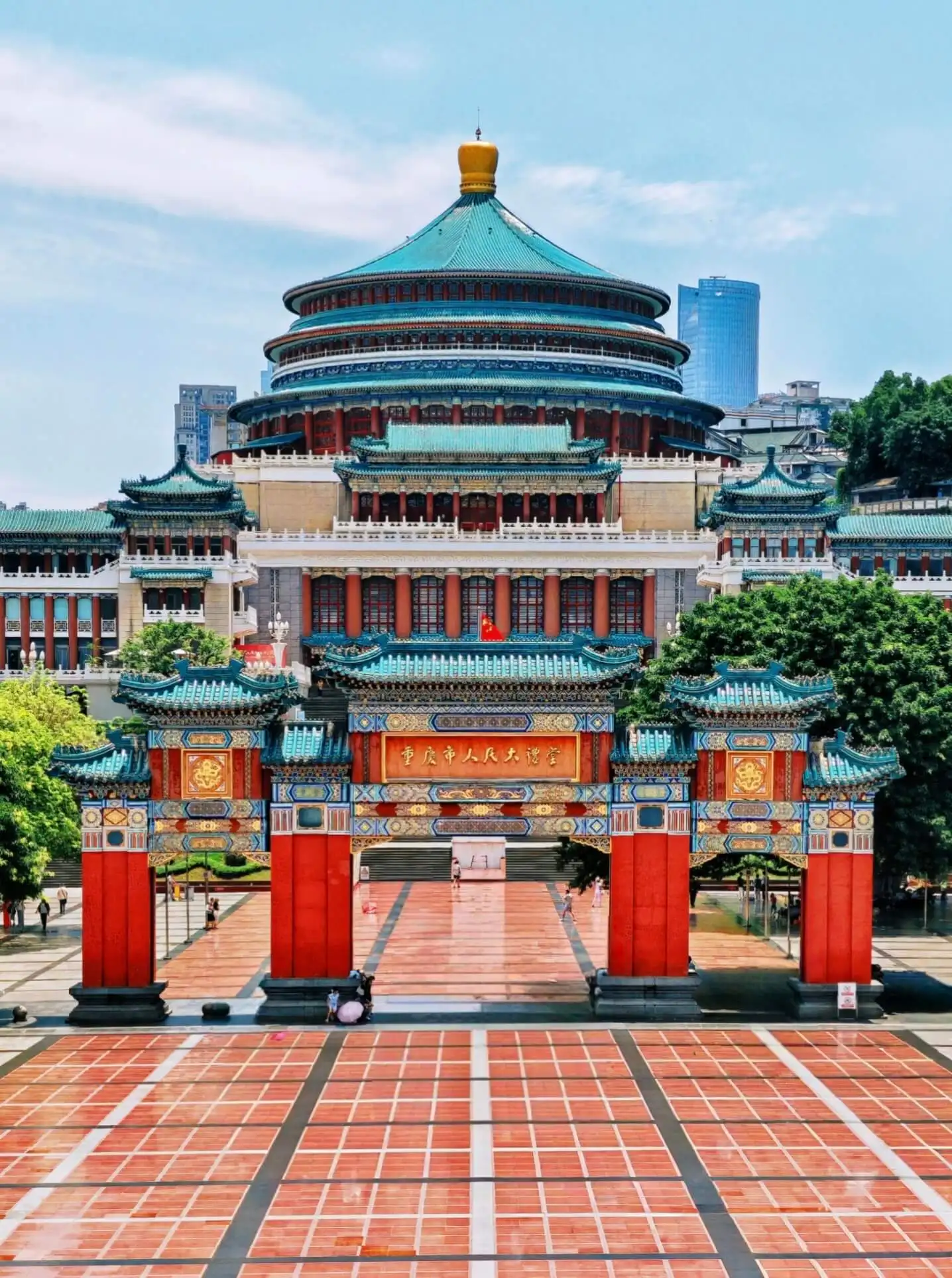
🎊 Imagine walking through a Chinese city decorated with red lanterns, watching lion dances in the streets, tasting traditional dumplings, and seeing families gather for one of the biggest celebrations of the year.
Chinese New Year, also known as the Spring Festival, is one of the most exciting times to experience Chinese culture. Streets become festive, traditional performances take place, and many cities host special celebrations.
But there is something international visitors should know: Chinese New Year is also the busiest travel period in China.
Millions of people travel home to reunite with their families, transport networks become extremely busy, and some restaurants, shops, and smaller businesses temporarily close.
If you are planning to visit China during this holiday, booking everything at the last minute can make your trip more difficult.
This guide explains what to plan early, when to book transportation and accommodation, where to go, and how to enjoy Chinese New Year without unnecessary stress.
🧧 1. Understand When Chinese New Year Takes Place
Unlike Christmas, Chinese New Year does not fall on the same date every year. It follows the traditional Chinese lunisolar calendar and usually takes place between late January and mid-February.
The holiday is commonly celebrated over several days, while the wider Spring Festival travel period can extend for weeks.
During this period, many Chinese people travel from major cities such as Beijing, Shanghai, Guangzhou, and Shenzhen to their hometowns.
This creates a huge increase in passenger traffic across the country.
Why does this matter to tourists?
-
🚄 High-speed train tickets can sell out quickly.
-
✈️ Flights may become more expensive around popular travel dates.
-
🏨 Hotels in popular destinations can become fully booked.
-
🍜 Some family-run restaurants and local businesses may close temporarily.
-
🚗 Roads and transport hubs can become crowded.
Fugo Tip: Check the official holiday calendar and transport arrangements for your travel year before confirming your itinerary. The official public holiday dates and the broader travel rush are not necessarily the same.
🚄 2. Book Train Tickets and Flights Early
Transportation should be one of your first priorities when planning a Chinese New Year trip.
China has an extensive high-speed rail network, making it convenient to travel between major cities. However, the Spring Festival travel rush is one of the busiest periods of the year.
Popular routes can experience extremely high demand.
High-Speed Train Tickets
If you plan to travel between cities such as Beijing, Shanghai, Xi'an, Chengdu, Hangzhou, and Guangzhou, consider booking your train tickets as soon as they become available.
Keep these tips in mind:
-
Check the official ticket-release schedule for your travel date.
-
Use the official China Railway 12306 platform or a reliable booking service.
-
Make sure your passport information matches your booking details.
-
Allow extra time for station security checks and boarding.
-
Avoid planning several tight train connections during the holiday.
Foreign travelers can generally use their passports for eligible train bookings and station procedures.
Remember that train tickets are not normally available for booking months in advance. Check the current ticket-release rules rather than assuming you can reserve any date whenever you want.
Domestic Flights
Flights can be a practical alternative for long-distance journeys, especially when train travel would take many hours.
However, flight prices and seat availability can change significantly around the holiday.
Compare flight and train options before deciding. Consider the total journey time, including airport transfers, security checks, and travel to your hotel.
✈️ Fugo Tip: If your itinerary includes several Chinese cities, arrange your long-distance transportation before filling every day with sightseeing activities.
🏨 3. Reserve Hotels Before Popular Dates
Accommodation is another important part of Chinese New Year planning.
Hotels in major tourist destinations may receive strong demand from both domestic and international travelers. Popular locations can become expensive or have limited room availability.
Some smaller hotels, guesthouses, and family-run accommodations may also temporarily close so their owners can celebrate the holiday.
What Should You Check Before Booking?
-
Operating dates: Confirm that the hotel will welcome guests throughout your stay.
-
Reception service: Check whether reception is available 24 hours a day.
-
Location: Choose accommodation near public transportation or major attractions.
-
Cancellation policy: Flexible bookings can be useful when travel plans change.
-
Foreign guest registration: Confirm that the property can accommodate international visitors and complete the required registration procedures.
Where Should You Stay?
For first-time visitors, staying in a central area can make holiday travel easier.
For example:
-
Beijing: Stay near central districts with convenient access to major attractions and metro stations.
-
Shanghai: Consider areas near the Bund, People's Square, or central metro connections.
-
Xi'an: Stay near the Bell Tower or the city wall for convenient sightseeing.
-
Chengdu: Choose accommodation near Chunxi Road or a convenient metro station.
🏨 Fugo Tip: Do not assume every small guesthouse will remain open during the entire Spring Festival. Contact the property before making a non-refundable reservation.
🎆 4. Choose Your Destinations Based on the Chinese New Year Experience You Want
China is a large country, and different destinations offer different experiences during Spring Festival.
Some cities are known for traditional celebrations, while others are attractive for winter scenery, food, or a quieter holiday atmosphere.
Here are several destinations worth considering.
Beijing: Traditional Chinese New Year Atmosphere
Beijing is an excellent destination for travelers interested in traditional Chinese culture.
You can explore historic neighborhoods, visit temples, admire traditional architecture, and experience festive decorations.
Things to consider:
-
🏮 Visit traditional temple fairs if they are operating.
-
🏯 Explore the Forbidden City and other major cultural attractions.
-
🚶 Walk through historic hutongs.
-
🥟 Try traditional Beijing dumplings and local holiday dishes.
-
🧧 Look for seasonal decorations and cultural performances.
Be aware that some attractions may have special holiday opening arrangements. Check official notices before visiting.
Shanghai: A Modern City with Traditional Celebrations
Shanghai offers a different experience, combining modern city life with traditional Chinese New Year customs.
You can explore the Bund, walk through Yu Garden, visit historic neighborhoods, and enjoy the city's festive atmosphere.
Things to consider:
-
Visit Yu Garden and its surrounding area for traditional decorations when seasonal events are running.
-
Explore the Bund and enjoy the city skyline.
-
Try Shanghai-style dishes and traditional holiday snacks.
-
Visit local temples and cultural attractions.
Xi'an: Discover Traditional Chinese Culture
Xi'an is famous for its ancient history and traditional Chinese architecture.
During the Spring Festival period, the city can offer an interesting combination of historic sightseeing and seasonal cultural activities.
Recommended experiences include:
-
Visiting the Terracotta Warriors.
-
Walking along the ancient city wall.
-
Exploring the Muslim Quarter.
-
Tasting local noodles, dumplings, and roujiamo.
-
Looking for lantern displays and seasonal events.
Harbin: A Winter Wonderland
If you enjoy snow and winter activities, Harbin in Heilongjiang Province is another destination to consider.
The city is famous for its winter scenery, Russian-influenced architecture, and ice and snow attractions.
You may want to visit:
-
Harbin Ice and Snow World, subject to seasonal opening dates.
-
Saint Sophia Cathedral.
-
Central Street.
-
Songhua River winter attractions.
-
Local restaurants serving Northeast Chinese food.
❄️ Important: Harbin can be extremely cold in winter. Pack suitable thermal clothing, insulated boots, gloves, and a warm hat.
Chengdu: Food, Pandas, and a Relaxed City Experience
Chengdu is a great choice for travelers who enjoy food, local culture, and a slower pace of travel.
Popular experiences include:
-
Visiting the Chengdu Research Base of Giant Panda Breeding.
-
Exploring Jinli Ancient Street.
-
Enjoying Sichuan hot pot.
-
Visiting traditional teahouses.
-
Discovering local neighborhoods and food markets.
Check the holiday opening arrangements of individual attractions and restaurants before visiting.
🍜 5. Understand What Opens and Closes During Chinese New Year
One of the biggest surprises for international visitors is that some businesses may close during the Spring Festival.
China does not completely shut down, but operating hours and services can change.
What May Close Temporarily?
Depending on the city and business, you may find:
-
Small family-run restaurants.
-
Independent shops and local markets.
-
Some neighborhood businesses.
-
Smaller guesthouses.
-
Certain local service providers.
What Usually Continues Operating?
Many major hotels, transportation services, shopping malls, and popular tourist attractions continue to operate, although schedules may be adjusted.
Large cities also have plenty of restaurants and businesses serving holiday visitors.
However, never assume that a particular business will be open just because it normally operates throughout the year.
How to Avoid Problems
-
Check restaurant opening information before traveling across town.
-
Ask your hotel about nearby restaurants that will remain open.
-
Keep a few alternative dining options.
-
Check attraction announcements before visiting.
-
Avoid depending on one small local business for an important part of your itinerary.
🍜 Fugo Tip: If you have a specific restaurant or local food experience on your wish list, contact the business in advance or prepare a backup option.
🧨 6. Experience Chinese New Year Traditions
Chinese New Year is more than a public holiday. It is a cultural celebration built around family reunions, good fortune, and welcoming a new year.
For international visitors, it is an excellent opportunity to understand Chinese traditions.
Here are some experiences worth looking for.
🏮 Red Lanterns and Festive Decorations
Red is traditionally associated with happiness, good fortune, and celebration.
During the Spring Festival, you may see red lanterns, decorative banners, and Chinese New Year couplets displayed in streets, shops, and homes.
🦁 Lion and Dragon Dances
Lion and dragon dances are traditional performances often associated with celebrations and good luck.
They may take place at temples, shopping areas, public squares, and cultural events.
Schedules vary by location, so check local event announcements.
🥟 Try Traditional Chinese New Year Food
Food plays an important role in family celebrations.
Some popular dishes include:
-
Dumplings (Jiaozi): Traditionally associated with prosperity and good fortune.
-
Rice Cakes (Nian Gao): Symbolically associated with progress and growth.
-
Fish: Often served because the Chinese word for fish sounds like the word for surplus.
-
Tangyuan: Sweet glutinous rice balls associated with reunion in some regions.
-
Spring Rolls: A popular traditional snack in many parts of China.
Different regions have their own food traditions, so trying local dishes is a great way to experience the festival.
🧧 Learn About Red Envelopes
Red envelopes, known as hongbao, traditionally contain money and are given during the Spring Festival as a symbol of good wishes.
Today, digital red envelopes are also popular through Chinese mobile payment and messaging platforms.
Visitors can learn about the tradition without feeling obligated to give red envelopes themselves.
📱 7. Prepare Your Payment Apps, Internet, and Travel Tools
Before arriving in China, make sure your essential travel tools are ready.
Chinese New Year is not the ideal time to discover that you cannot access an important booking or payment service.
Set Up Mobile Payments
Alipay and WeChat Pay are widely used across China.
International visitors may be able to link eligible overseas bank cards to these services, subject to the platform's current requirements and supported cards.
Before departure:
-
Download the relevant apps.
-
Complete any required registration.
-
Follow the available instructions for linking your bank card.
-
Check whether your payment method works.
-
Carry a backup payment option.
Prepare Your Internet Connection
Consider arranging a Chinese SIM card, eSIM, or international roaming plan before your trip.
Reliable internet access helps you:
-
Navigate between attractions.
-
Check train and flight information.
-
Translate menus and signs.
-
Contact hotels.
-
Access travel bookings.
Download Useful Travel Apps
Some useful tools include:
-
Alipay: Mobile payments and selected everyday services.
-
WeChat: Messaging and communication.
-
Amap or Baidu Maps: Navigation and local transport information.
-
12306: Official railway ticketing platform.
-
Translation apps: Helpful for menus, signs, and conversations.
Some international websites and apps may not work normally in mainland China. Check your essential services and connectivity arrangements before departure.
📅 8. Build a Flexible Itinerary Instead of Overplanning
During Chinese New Year, flexibility is particularly important.
Transport delays, crowded attractions, holiday opening hours, and changing event schedules can affect your plans.
Rather than arranging every hour of every day, build an itinerary with enough room for unexpected changes.
Example: A 5-Day Chinese New Year Trip
Here is an example of a short itinerary for first-time visitors.
Day 1: Arrive in Beijing
-
Check in at your hotel.
-
Explore a nearby neighborhood.
-
Try traditional Beijing food.
-
Enjoy the festive atmosphere.
Day 2: Explore Historic Beijing
-
Visit the Forbidden City if open and tickets are available.
-
Explore Tiananmen Square according to the applicable reservation and access arrangements.
-
Walk through traditional hutongs.
-
Enjoy a local dinner.
Day 3: Experience Chinese Culture
-
Visit a temple or seasonal temple fair if operating.
-
Explore traditional streets.
-
Try dumplings or other Spring Festival dishes.
-
Leave time for local cultural activities.
Day 4: Travel to Shanghai
-
Take a high-speed train or domestic flight.
-
Check in at your hotel.
-
Visit the Bund.
-
Enjoy Shanghai's evening skyline.
Day 5: Explore Shanghai
-
Visit Yu Garden if open.
-
Explore the surrounding historic area.
-
Try local Shanghai cuisine.
-
Prepare for your next destination or departure.
This itinerary is only an example. Check attraction availability, transport tickets, and holiday schedules before confirming each day.
🚫 9. Common Chinese New Year Travel Mistakes to Avoid
A little preparation can prevent many unnecessary problems.
Here are some mistakes international visitors should avoid.
Mistake 1: Booking transportation at the last minute
Popular trains and flights can have limited availability during peak travel dates.
Better approach: Arrange important long-distance journeys as early as the booking system allows.
Mistake 2: Assuming every restaurant will be open
Some independent restaurants close so owners and employees can spend time with their families.
Better approach: Confirm opening arrangements and prepare alternative dining options.
Mistake 3: Planning too many cities in a short trip
Long-distance travel during the holiday can take more time and effort than expected.
Better approach: Focus on fewer destinations and spend more time in each one.
Mistake 4: Ignoring hotel holiday arrangements
Some smaller properties may have limited services or temporary closures.
Better approach: Confirm your booking directly with the hotel.
Mistake 5: Expecting every attraction to operate normally
Special holiday schedules, reservations, and crowd-control measures may apply.
Better approach: Check official attraction announcements shortly before visiting.
Mistake 6: Leaving payment preparation until arrival
Setting up mobile payments can take time, and not every international card or service is supported.
Better approach: Prepare payment apps and backup options before departure.
🎒 10. What Should You Pack for Chinese New Year in China?
Your packing list depends on where you are traveling.
Northern destinations such as Beijing and Harbin can be very cold in winter, while southern cities such as Guangzhou and Shenzhen generally have milder weather.
Consider packing:
-
Warm layers for winter destinations.
-
Comfortable walking shoes.
-
A portable power bank.
-
Your passport and travel documents.
-
Any necessary medication.
-
A suitable SIM or eSIM arrangement.
-
A small amount of backup cash.
-
Travel insurance documents.
If you plan to visit multiple regions, check the weather forecast for each destination rather than packing based on one city's climate.
💡 11. Is Chinese New Year a Good Time for Foreign Tourists to Visit China?
Yes, it can be a memorable time to visit, but it depends on your travel preferences.
Reasons to Visit
-
🎊 Experience one of China's most important traditional festivals.
-
🏮 See festive decorations and cultural performances.
-
🥟 Discover regional holiday food.
-
🧧 Learn about Chinese customs and family traditions.
-
📸 Enjoy a different atmosphere from an ordinary sightseeing trip.
Possible Challenges
-
🚄 High demand for trains and flights.
-
🏨 Higher accommodation demand in popular destinations.
-
🍜 Temporary closures of some local restaurants and shops.
-
🚶 Crowds at popular attractions.
-
📅 Changing opening hours and holiday schedules.
Who is Chinese New Year travel best for?
It is particularly suitable for travelers who enjoy cultural experiences, traditional festivals, local food, and city exploration.
If you prefer quiet streets, predictable opening hours, and easy last-minute bookings, another time of year may be more convenient.
❓ 12. Frequently Asked Questions About Chinese New Year Travel in China
Is China crowded during Chinese New Year?
Major transportation hubs and popular tourist destinations can be very busy, particularly around peak departure and return dates. However, crowd levels vary by city, destination, and specific travel dates.
Do shops and restaurants close during Chinese New Year?
Some independent shops and family-run restaurants temporarily close, while many major hotels, shopping malls, and tourist services continue operating. Always check individual opening arrangements.
Can foreigners travel around China during Chinese New Year?
Yes. International visitors can travel around China during the Spring Festival. The main challenge is increased demand for transportation and accommodation, so advance planning is important.
Are high-speed trains available during Chinese New Year?
Yes. High-speed trains continue operating, but popular routes can experience very high demand. Check the official ticket-release schedule and book as soon as your preferred tickets become available.
Is Chinese New Year a good time to visit Beijing and Shanghai?
Both cities can offer interesting seasonal experiences. Beijing is attractive for traditional culture and historic sites, while Shanghai combines modern city life with traditional celebrations. Check holiday opening schedules before planning specific attractions.
How many days should I spend in China during Chinese New Year?
For a first visit, around 7–10 days can provide enough time to explore two or three destinations without rushing. If you want to visit several regions, consider a longer trip.
Should I book a private tour during Chinese New Year?
A private tour can help simplify transportation, communication, and itinerary planning, especially if you are unfamiliar with China. However, availability should be confirmed early because local guides and drivers may also have holiday schedules.
🌏 Final Thoughts: Plan Early and Enjoy Chinese New Year in China
Chinese New Year is one of the most fascinating times to experience China.
From red lanterns and traditional performances to family reunion dishes and winter festivals, the holiday offers visitors a different perspective on Chinese culture.
But the key to a smooth trip is preparation.
Book your important transportation early, confirm hotel arrangements, check attraction opening schedules, prepare your payment and internet tools, and leave enough flexibility in your itinerary.
You do not need to plan every minute. You just need to organize the important parts before the holiday begins.
✈️ Let Fugo Help You Plan Your China Trip
Planning a China trip during Chinese New Year can feel complicated, especially if you do not speak Chinese or are unfamiliar with local travel arrangements.
Fugo can help make your journey easier with practical travel advice, destination recommendations, and itinerary planning.
-
🗺️ Get personalized China travel route suggestions.
-
🚄 Learn how to arrange high-speed train and domestic flight journeys.
-
🏨 Get help understanding hotel and accommodation options.
-
📱 Prepare for payments, internet access, and essential travel apps.
-
💬 Ask questions before and during your trip.
Travel China Your Way.
Get Fugo's FREE China Travel Guide and start planning your Spring Festival adventure.
Your China trip starts here.