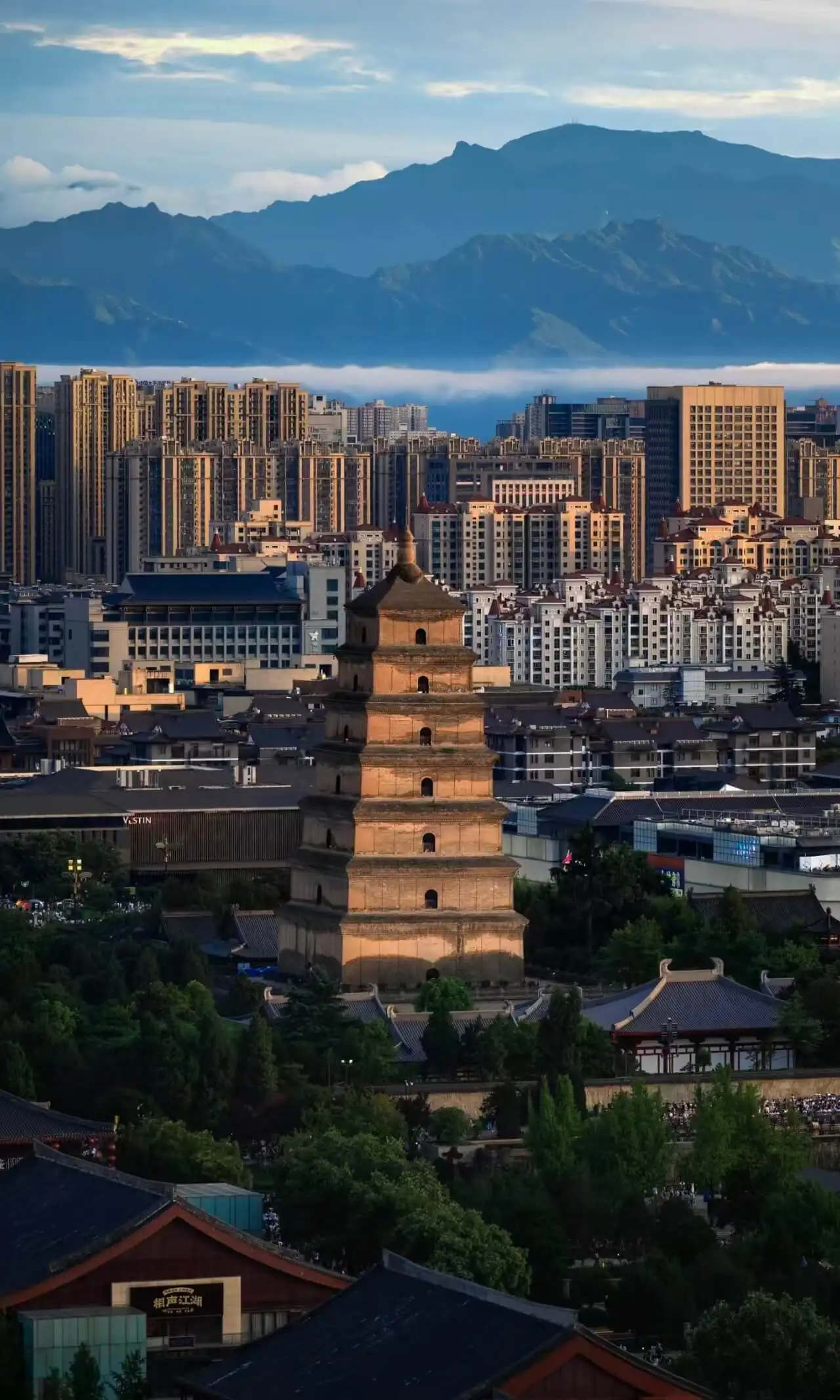
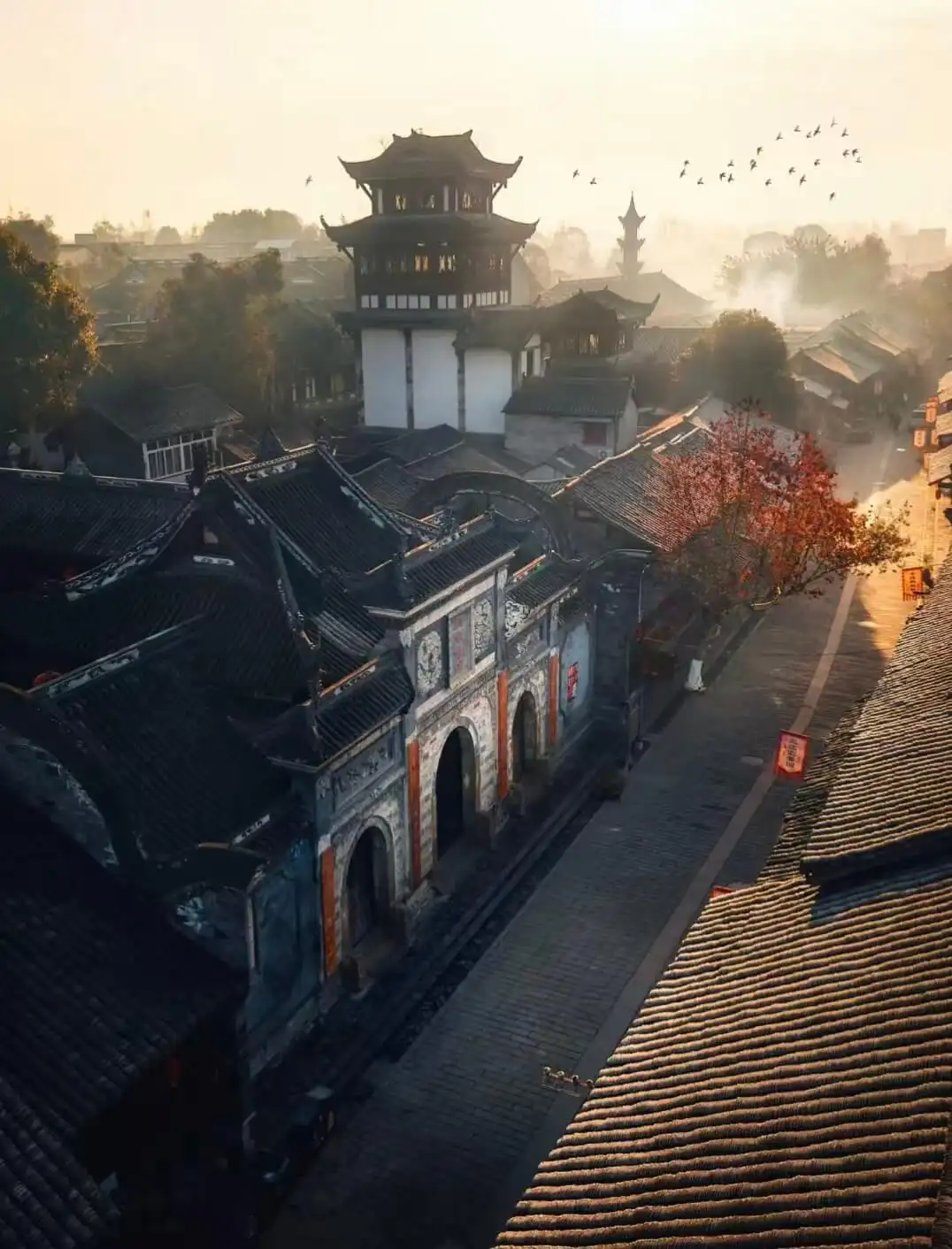
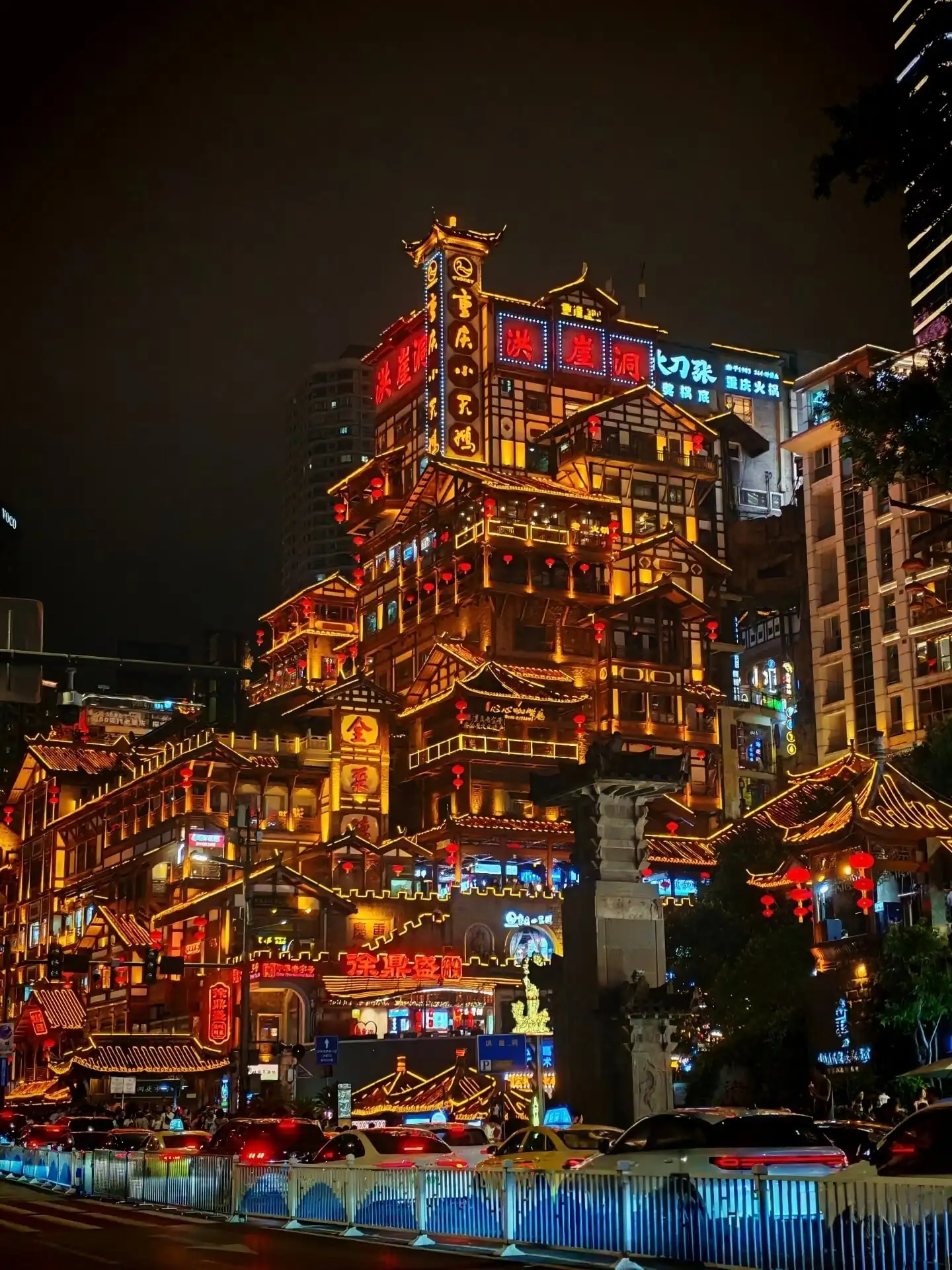
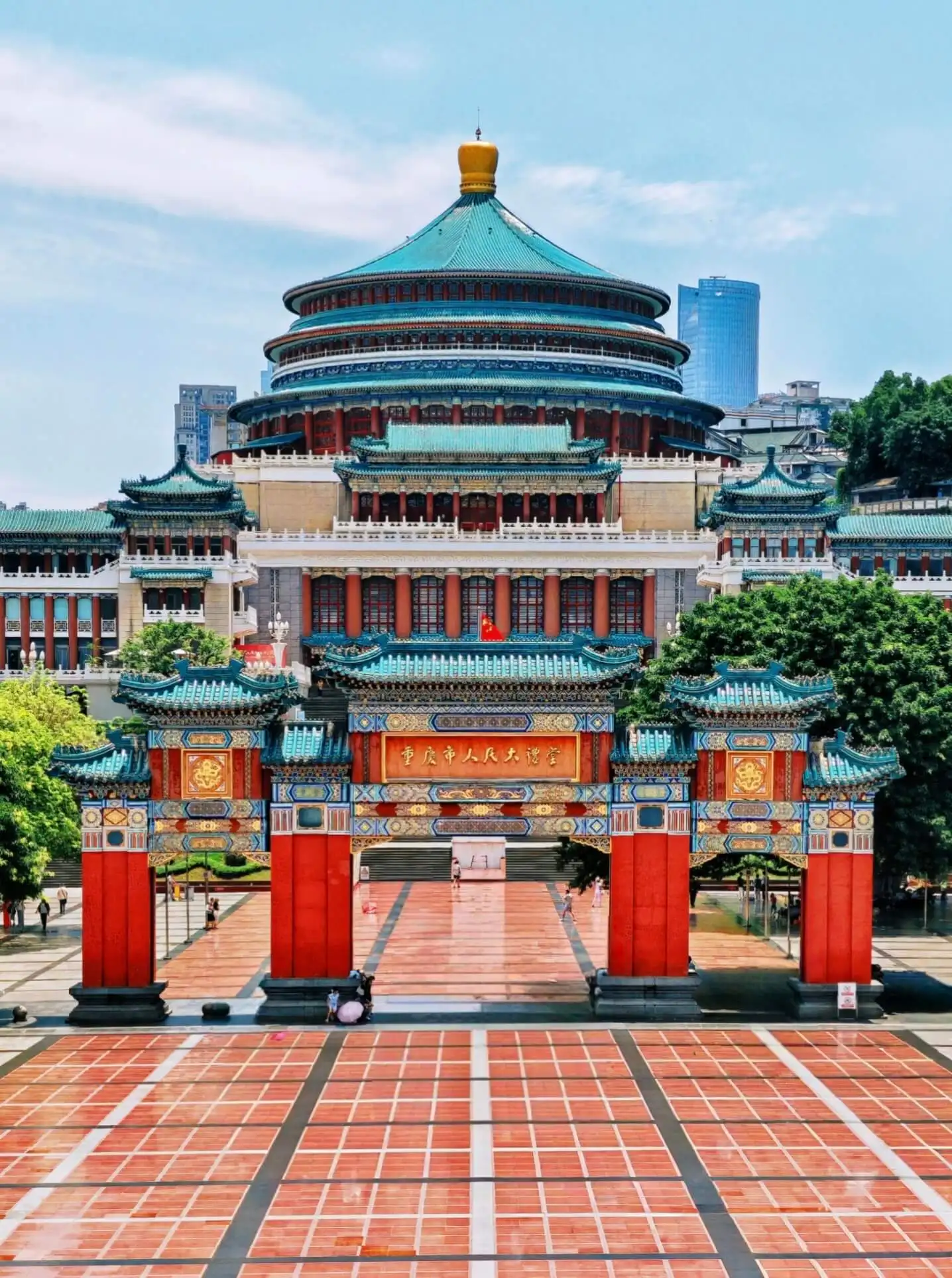
🌕 Imagine standing beneath a bright full moon, surrounded by glowing lanterns, traditional Chinese architecture, and the sweet smell of freshly baked mooncakes.
Families gather for dinner, children carry colorful lanterns, and friends share stories while enjoying the autumn night. This is the atmosphere of the Mid-Autumn Festival, one of the most meaningful traditional celebrations in China.
Also known as the Moon Festival, the Mid-Autumn Festival is a time for family reunions, gratitude, and appreciating the full moon. It is celebrated on the 15th day of the eighth month of the traditional Chinese lunar calendar, usually in September or early October.
For international travelers, it is a wonderful opportunity to experience Chinese culture beyond famous landmarks and tourist attractions.
But what makes this festival special? Why do Chinese people eat mooncakes? Which traditions should visitors know about? And where can you experience the Mid-Autumn Festival in China?
This guide introduces the festival's history, traditional foods, cultural activities, and some of the best places to enjoy its atmosphere.
🌕 1. What Is the Mid-Autumn Festival in China?
The Mid-Autumn Festival (中秋节, Zhōngqiū Jié) is one of China's most important traditional festivals.
It takes place on the 15th day of the eighth month of the Chinese lunar calendar, when the moon is traditionally considered especially round and bright.
The full moon represents reunion, completeness, and togetherness.
For many Chinese families, the festival is an occasion to:
-
👨👩👧👦 Have a family reunion dinner.
-
🥮 Share mooncakes with relatives and friends.
-
🌕 Admire the full moon.
-
🏮 Enjoy lantern displays and cultural activities.
-
🎁 Exchange gifts and send good wishes.
The festival has a long history, with customs and stories that developed over many centuries.
Today, it is celebrated across mainland China, although local traditions and activities vary between regions.
Why Is the Full Moon So Important?
In Chinese culture, the full moon is often associated with reunion and harmony.
Because family members may live in different cities or provinces, the Mid-Autumn Festival is an important time to come together.
Even people who cannot return home may celebrate with friends, colleagues, or relatives through phone and video calls.
For visitors, understanding this symbolism makes the festival more meaningful than simply watching lanterns or tasting mooncakes.
🥮 2. Mooncakes: The Most Famous Food of the Mid-Autumn Festival
You cannot talk about the Mid-Autumn Festival without mentioning mooncakes.
Mooncakes are traditional pastries usually made with a rich filling surrounded by a thin pastry crust. They are often round, symbolizing completeness and family reunion.
They are shared among family members, friends, business partners, and colleagues during the festival.
Traditional Mooncake Flavors
China has many regional mooncake styles, and the fillings can be very different.
Here are some popular varieties.
1. Lotus Seed Paste Mooncake
<text></text>
Lotus seed paste is one of the classic mooncake fillings.
It has a smooth texture and a sweet, rich flavor. Some versions contain salted egg yolks in the center.
2. Red Bean Paste Mooncake
Red bean paste is made from cooked red beans and sugar.
It has a soft texture and a familiar sweetness, making it a popular choice for people who enjoy traditional Chinese desserts.
3. Five-Nut Mooncake
Five-nut mooncakes contain a mixture of nuts and seeds, which may include walnuts, almonds, sesame seeds, and other ingredients.
The texture is usually denser and crunchier than that of lotus seed or red bean mooncakes.
4. Salted Egg Yolk Mooncake
Salted egg yolk is often combined with lotus seed paste or other fillings.
Its savory flavor creates a contrast with the sweet pastry.
5. Fresh Meat Mooncake
Popular in parts of eastern China, especially Shanghai and surrounding areas, fresh meat mooncakes contain a savory pork filling.
They are often served warm and have a flaky pastry crust.
Regional Mooncake Styles
Different parts of China have developed their own mooncake traditions.
| Mooncake Style | Main Characteristics | Where to Find It |
|---|---|---|
| Cantonese | Rich fillings and soft, patterned crust | Guangdong, Hong Kong and other regions |
| Suzhou-style | Flaky pastry with sweet or savory fillings | Suzhou and Jiangsu |
| Beijing-style | Traditional regional pastry variations | Beijing and northern China |
| Yunnan-style | Often features distinctive local ingredients and ham fillings | Yunnan |
| Chaoshan-style | Known for regional pastry techniques and fillings | Eastern Guangdong |
🥮 Fugo Tip: If you are visiting China during the festival, try more than one mooncake style. Buying a small assortment is a good way to discover regional flavors without committing to a large box.
How Do Chinese People Eat Mooncakes?
Mooncakes are often cut into small pieces and shared.
They are usually enjoyed with Chinese tea, which balances their rich sweetness.
Popular tea pairings include:
-
Green tea.
-
Oolong tea.
-
Pu'er tea.
-
Jasmine tea.
If you find traditional mooncakes too sweet, try a smaller piece with unsweetened tea.
🏮 3. Mid-Autumn Festival Traditions You Should Know
The Mid-Autumn Festival is about much more than eating mooncakes.
Its traditions reflect family relationships, cultural beliefs, and the beauty of autumn.
1. Family Reunion Dinner
For many Chinese people, family reunion is the most important part of the festival.
Families gather for dinner, often preparing a variety of dishes that symbolize good fortune, prosperity, and togetherness.
Some families travel long distances to celebrate together.
2. Admiring the Full Moon
Moon viewing, known as shǎng yuè (赏月), is one of the best-known Mid-Autumn traditions.
Families and friends may gather outdoors, enjoy tea and mooncakes, and appreciate the full moon.
Parks, lakes, riversides, and traditional gardens can become popular places for evening walks.
3. Carrying Lanterns
Colorful lanterns are especially popular among children.
Some lanterns are shaped like rabbits, flowers, animals, or traditional Chinese symbols.
In certain cities and communities, lantern displays and cultural events create a festive nighttime atmosphere.
4. Giving Mooncakes as Gifts
Mooncakes are commonly exchanged as gifts before and during the festival.
Families give them to relatives, while businesses and colleagues may exchange beautifully packaged mooncake gift boxes.
For many people, giving mooncakes is a way to express appreciation and send good wishes.
5. Enjoying Traditional Stories
The Mid-Autumn Festival is associated with several traditional legends.
The most famous is the story of Chang'e, the Moon Goddess.
These stories help explain why the moon, reunion, and family relationships play such important roles in the festival.
🐇 4. The Legend of Chang'e and the Moon
One of the most famous stories associated with the Mid-Autumn Festival is the legend of Chang'e.
According to a popular version of the story, a hero named Hou Yi obtained an elixir of immortality after saving the world from multiple suns.
His wife, Chang'e, eventually swallowed the elixir and ascended to the moon.
She became associated with the moon, while Hou Yi remained on Earth.
Different versions of the legend exist, and details vary across traditional stories.
Another familiar figure is the Jade Rabbit, often depicted living on the moon and preparing medicine.
These stories are commonly shared with children during the festival.
🌕 Why does this matter to travelers?
You may see images of Chang'e, the Jade Rabbit, and the full moon on lanterns, decorations, souvenirs, and festival displays.
Understanding these stories helps you appreciate the cultural meaning behind the celebrations.
📍 5. Where to Experience the Mid-Autumn Festival in China
If you want to experience the festival in person, several Chinese cities offer beautiful scenery, traditional architecture, and seasonal cultural activities.
Here are some destinations worth considering.
Beijing: Traditional Culture and Historic Temple Areas
Beijing is an excellent destination for travelers interested in traditional Chinese culture.
During the Mid-Autumn Festival, the city's parks, historic neighborhoods, and cultural attractions may feature seasonal decorations and activities.
Things to explore:
-
🏮 Traditional temple and cultural events, depending on the year's program.
-
🏯 Historic landmarks and traditional architecture.
-
🌕 Evening walks in parks and scenic areas.
-
🥮 Traditional mooncake shops and bakeries.
-
🍵 Chinese tea houses and local restaurants.
You can also explore traditional hutongs and discover how local residents celebrate the holiday.
Best for: Travelers interested in Chinese history, traditional architecture, and cultural experiences.
Shanghai: Modern City Life and Traditional Festival Atmosphere
Shanghai offers an interesting combination of modern city scenery and traditional Chinese culture.
Yu Garden and the surrounding Old City are especially worth considering for travelers interested in traditional architecture and seasonal decorations.
Things to do:
-
Visit Yu Garden and the surrounding historic streets.
-
Explore the Bund after sunset.
-
Try different regional mooncakes.
-
Visit local bakeries and traditional food shops.
-
Enjoy the city's autumn atmosphere.
Some seasonal lantern displays and special events may be organized around the festival, but schedules change each year.
Best for: Travelers who want to combine shopping, food, city sightseeing, and traditional culture.
Hangzhou: Moon Viewing Around West Lake
Hangzhou is one of the most attractive destinations for experiencing the romantic side of the Mid-Autumn Festival.
The city's famous West Lake has long been associated with traditional Chinese poetry, gardens, and beautiful landscapes.
During the festival, the combination of autumn scenery and moonlight can create a peaceful atmosphere.
Things to do:
-
Walk along West Lake in the evening.
-
Explore traditional gardens and historic streets.
-
Enjoy Longjing tea.
-
Try Hangzhou-style mooncakes and local dishes.
-
Visit nearby cultural attractions.
West Lake is particularly suitable for travelers who want to enjoy a quieter festival experience.
Best for: Couples, photographers, and travelers interested in traditional gardens and natural scenery.
Suzhou: Classical Gardens and Jiangnan Culture
Suzhou is famous for its classical Chinese gardens, canals, and traditional Jiangnan architecture.
The city's cultural atmosphere makes it an attractive destination during the Mid-Autumn Festival.
Things to explore:
-
Visit classical gardens.
-
Walk along Pingjiang Road.
-
Explore traditional canals and historic neighborhoods.
-
Try Suzhou-style mooncakes.
-
Enjoy an evening walk near the waterways.
The city's famous gardens offer a different experience from large urban festival events.
Best for: Travelers who enjoy traditional Chinese architecture, gardens, and slower-paced cultural experiences.
Guangzhou: Cantonese Mooncakes and Southern Chinese Traditions
Guangzhou is a great destination if you want to explore the food culture of southern China.
Cantonese-style mooncakes are among the country's best-known varieties, and the city has many traditional bakeries and restaurants.
Things to do:
-
Visit traditional bakeries to discover Cantonese mooncakes.
-
Explore historic neighborhoods.
-
Walk around parks and public spaces.
-
Try Cantonese food and traditional desserts.
-
Look for local lantern displays and cultural events.
Best for: Food lovers and travelers interested in Cantonese culture.
Hong Kong: Lantern Displays and Moon Viewing
Hong Kong has its own distinctive Mid-Autumn Festival traditions.
Public parks, shopping districts, and cultural venues may organize lantern displays and seasonal celebrations.
Victoria Park has historically been associated with major Mid-Autumn lantern events, although programs and locations can change from year to year.
Other possible experiences include:
-
Viewing traditional lantern displays.
-
Exploring local bakeries for mooncakes.
-
Enjoying moonlit waterfront scenery.
-
Trying traditional seasonal desserts.
-
Learning about local festival customs.
Best for: Travelers interested in large-scale lantern displays and a mix of Chinese and international city culture.
🍵 6. What Other Foods Do People Eat During the Mid-Autumn Festival?
Mooncakes are the most recognizable festival food, but they are not the only traditional food associated with the holiday.
Regional customs differ, and families may prepare dishes based on local ingredients and traditions.
Here are some foods you may encounter.
1. Pomelo
Pomelo is a popular autumn fruit.
It is sometimes associated with good wishes and family celebrations.
2. Osmanthus Desserts
Osmanthus flowers are associated with autumn in Chinese culture.
You may find osmanthus-flavored cakes, sweets, tea, and drinks around the season.
3. Duck Dishes
Duck is enjoyed in different forms across China.
In some regions, duck dishes are part of seasonal or family meals.
4. Hairy Crab
Hairy crab is a famous autumn delicacy in parts of eastern China, especially around Shanghai, Suzhou, and the Yangcheng Lake area.
Its season overlaps with the Mid-Autumn period in many years.
5. Seasonal Chinese Tea
Autumn is a wonderful time to explore Chinese tea culture.
You can enjoy local teas while learning about regional brewing traditions.
🍵 Fugo Tip: If you visit Shanghai, Suzhou, or Hangzhou during the festival, consider trying local autumn dishes in addition to mooncakes.
📅 7. When Is the Mid-Autumn Festival in China?
The festival follows the traditional Chinese lunar calendar, so its Gregorian calendar date changes every year.
It usually falls in September or early October.
For travel planning, remember that the official public holiday arrangement can differ from the festival date itself.
China may arrange several days off around the festival, and some years the Mid-Autumn Festival overlaps with the National Day holiday.
When this happens, transportation demand and tourist crowds can increase significantly.
What Should Tourists Check Before Traveling?
Before booking your trip, confirm:
-
The official public holiday dates for your travel year.
-
High-speed train and flight availability.
-
Hotel prices and cancellation conditions.
-
Attraction opening arrangements.
-
Special festival event schedules.
-
Local transportation arrangements.
Fugo Tip: If you want to experience the festival without the largest holiday crowds, consider arriving a few days before the official holiday or staying in one city rather than traveling between several destinations during the busiest dates.
🚄 8. How to Travel Around China During the Mid-Autumn Festival
China's high-speed rail network makes it convenient to explore several cities in one trip.
However, transportation can become busier during the holiday period.
If your travel dates overlap with the National Day holiday, demand may be particularly high.
Recommended City Combinations
Shanghai + Suzhou + Hangzhou
This is one of the most practical combinations for exploring eastern China.
You can experience:
-
Shanghai's modern skyline and traditional neighborhoods.
-
Suzhou's classical gardens and canals.
-
Hangzhou's West Lake and tea culture.
Beijing + Shanghai
This combination is suitable for travelers who want to experience both northern and eastern China.
You can explore imperial history in Beijing and modern city life in Shanghai.
Guangzhou + Hong Kong
This route offers an opportunity to explore Cantonese food culture and different styles of Mid-Autumn celebrations.
Check current border-crossing and transportation arrangements before planning the journey.
Transportation Tips
-
Book popular train routes as soon as tickets become available.
-
Check the official China Railway 12306 platform.
-
Allow extra time for railway station security checks.
-
Avoid tight connections between trains and flights.
-
Keep your passport and booking information accessible.
🏮 9. How Can Foreign Tourists Join the Celebrations?
You do not need to speak Chinese fluently to enjoy the Mid-Autumn Festival.
Many festival experiences are visual, social, and food-related.
Here are some simple ways to participate.
Try Different Mooncakes
Visit a bakery or supermarket and choose a small selection of mooncakes.
Ask about the fillings if you have dietary preferences or allergies.
Visit a Traditional Garden or Park
Parks, lakes, and gardens are good places to enjoy the autumn atmosphere.
Some locations may offer seasonal lantern displays or cultural performances.
Join a Cultural Workshop
Look for activities such as:
-
Traditional lantern making.
-
Chinese calligraphy.
-
Mooncake-making workshops.
-
Chinese tea appreciation.
-
Traditional craft demonstrations.
Availability varies by city and year, so check local event listings.
Learn a Few Festival Greetings
You can make a good impression by learning a simple Chinese greeting.
中秋节快乐!(Zhōngqiū Jié Kuàilè!)
It means: Happy Mid-Autumn Festival!
Another common expression is:
月圆人团圆 (Yuè Yuán Rén Tuán Yuán)
It expresses the wish for a full moon and family reunion.
Respect Local Customs
Remember that the festival is an important family occasion.
Enjoy public celebrations, follow venue rules, and be considerate when photographing people or private family activities.
🚫 10. Common Travel Mistakes to Avoid During the Festival
A little preparation can make your Mid-Autumn trip much easier.
Mistake 1: Assuming the festival falls on the same date every year
The date changes according to the lunar calendar.
Better approach: Check the festival date and official public holiday announcement for your travel year.
Mistake 2: Booking train tickets too late
Popular routes can become busy around the holiday.
Better approach: Check the ticket-release schedule and book when your preferred tickets become available.
Mistake 3: Expecting every attraction to have normal opening hours
Some attractions may have special events, reservation rules, or adjusted operating hours.
Better approach: Check official notices before visiting.
Mistake 4: Visiting only the most famous lantern displays
Popular event areas may become crowded.
Better approach: Explore smaller parks, traditional streets, or less busy cultural attractions.
Mistake 5: Buying mooncakes without checking the ingredients
Some mooncakes contain nuts, egg yolks, meat, or other ingredients that may not suit everyone.
Better approach: Check the product label or ask the seller before purchasing.
Mistake 6: Planning too many cities during the holiday
Moving between destinations during a busy travel period can take more time than expected.
Better approach: Choose one or two cities and enjoy them at a relaxed pace.
❓ 11. Frequently Asked Questions About the Mid-Autumn Festival in China
When is the Mid-Autumn Festival celebrated in China?
It takes place on the 15th day of the eighth month of the Chinese lunar calendar, usually in September or early October. The exact Gregorian calendar date changes every year.
Why do Chinese people eat mooncakes?
Mooncakes symbolize reunion and completeness. Families and friends share them during the festival as a way to celebrate togetherness and send good wishes.
What does the full moon represent during the festival?
The full moon traditionally represents reunion, harmony, and completeness. It reflects the importance of family relationships in Chinese culture.
Can tourists celebrate the Mid-Autumn Festival in China?
Yes. International visitors can enjoy public lantern displays, traditional food, cultural workshops, parks, and seasonal activities. The availability of events depends on the city and year.
Which city is best for experiencing the Mid-Autumn Festival?
Hangzhou and Suzhou are attractive for traditional gardens and scenery, Shanghai offers a mix of modern and traditional experiences, Guangzhou is excellent for Cantonese mooncakes, and Hong Kong is known for its lantern celebrations.
Are shops and restaurants open during the Mid-Autumn Festival?
Many businesses remain open, but opening hours can vary. Some smaller businesses may close or adjust their schedules, especially when the festival overlaps with other public holidays.
Is the Mid-Autumn Festival the same as China's National Day?
No. They are separate holidays with different meanings and dates. However, they sometimes fall close together or overlap, creating a longer holiday period.
How many days should I spend in China during the Mid-Autumn Festival?
A 4–7 day trip is enough to explore one or two destinations. If you want to combine several cities, consider a longer trip and arrange transportation in advance.
🌏 Final Thoughts: Experience the Beauty of the Mid-Autumn Festival in China
The Mid-Autumn Festival is one of the best opportunities to discover traditional Chinese culture.
From sharing mooncakes and admiring the full moon to exploring lantern displays and enjoying autumn scenery, the festival offers a memorable experience for international travelers.
Whether you choose the classical gardens of Suzhou, the lakeside scenery of Hangzhou, the traditional food culture of Guangzhou, or the lively streets of Shanghai, each destination offers a different way to experience the celebration.
The key is to understand the festival calendar, plan transportation early, and leave enough time to enjoy local traditions.
You do not have to visit every famous attraction. Sometimes, simply enjoying a mooncake in a traditional garden under the autumn moon can become one of the most memorable moments of your China trip.
✈️ Plan Your China Cultural Journey with Fugo
Want to experience Chinese festivals beyond the usual tourist attractions?
Fugo can help you plan a China trip that combines traditional culture, local food, historic destinations, and practical travel arrangements.
-
🏮 Discover Chinese festivals and cultural experiences.
-
🗺️ Build a personalized multi-city itinerary.
-
🚄 Understand transportation between destinations.
-
🍜 Find regional food and local experiences.
-
💬 Get practical travel advice before your trip.
Travel China Your Way.
Get Fugo's FREE China Travel Guide and start planning your cultural adventure.
Your China trip starts here.