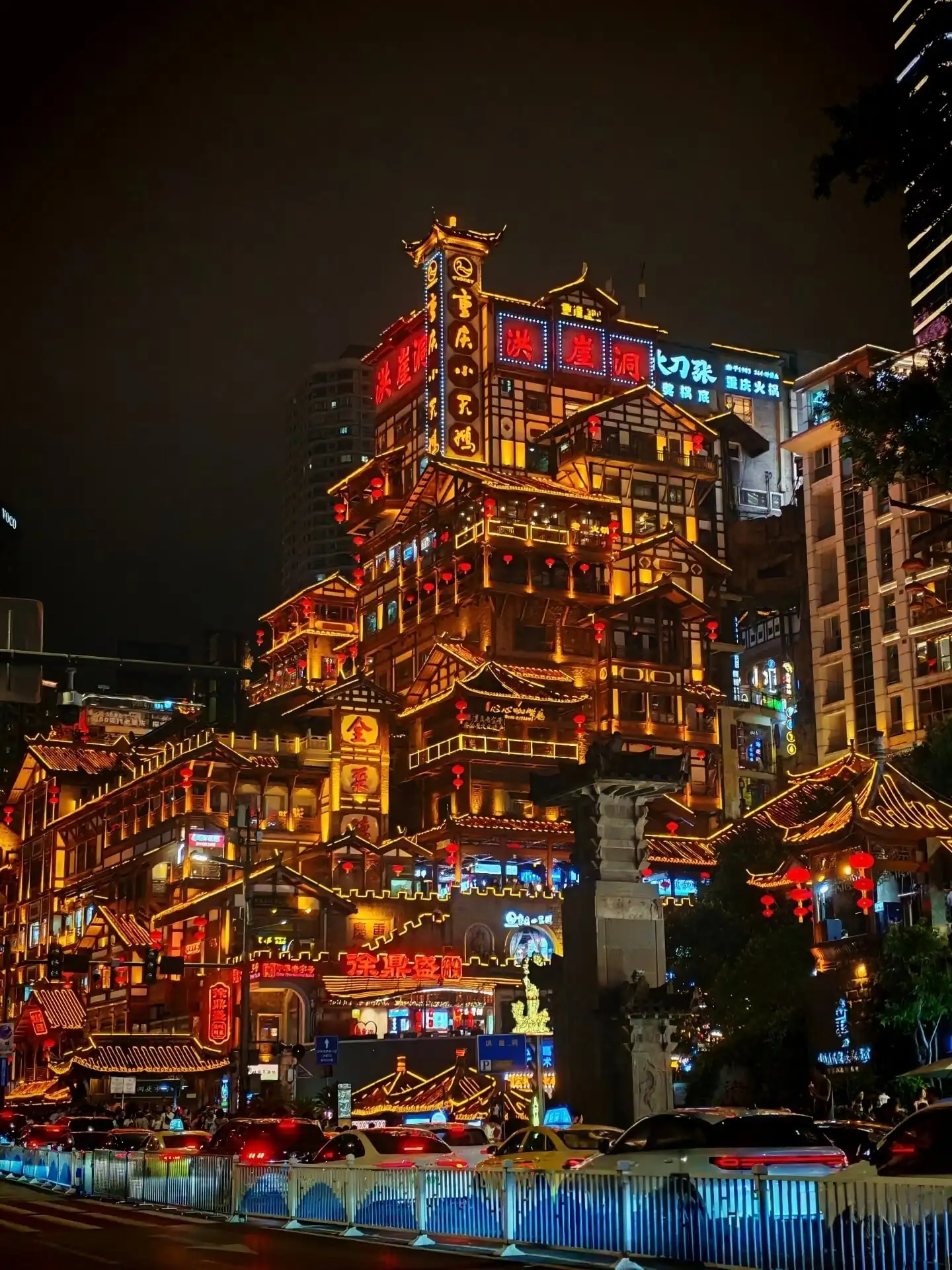
How Much Does It Cost to Travel in China?
China can be surprisingly affordable for international travelers. From budget hostels and local restaurants to comfortable hotels and high-speed trains, you can build a China trip around almost any budget.
So, how much does it cost to travel in China?
For a comfortable independent trip, many travelers can expect to spend around $50–$120 per person per day, excluding international flights and visa costs. Budget travelers can spend less, while travelers choosing luxury hotels, private tours, premium restaurants, and first-class transportation can easily spend much more.
In this guide, Fugo breaks down the main costs of traveling in China, including hotels, food, transportation, high-speed rail, attractions, and daily expenses.
🇨🇳 Average Cost of Traveling in China
Your total China travel budget depends heavily on your travel style and the cities you visit.
| Travel Style | Estimated Daily Budget |
|---|---|
| Budget Travel | $30–$50 |
| Comfortable Travel | $50–$120 |
| Premium Travel | $120–$250+ |
| Luxury Travel | $250+ |
These figures are general estimates for independent travelers and can vary depending on the season, destination, hotel category, exchange rates, and activities.
For first-time visitors, a $70–$100 daily budget per person can provide a comfortable experience in many parts of China if you plan your hotels and transportation carefully.
🏨 How Much Do Hotels Cost in China?
Accommodation is one of the biggest parts of a China travel budget.
The good news is that China offers a wide range of hotels, from inexpensive hostels to international five-star properties.
Budget Hotels
Budget hotels and hostels can often cost around:
$15–$40 per night
These are suitable for backpackers and travelers who spend most of their time exploring the city.
Mid-Range Hotels
A comfortable 3–4 star hotel may cost approximately:
$40–$100 per night
This is often the best balance between price, location, and comfort for independent travelers.
Luxury Hotels
Five-star hotels and international brands can range from:
$100–$300+ per night
Luxury hotels in major cities such as Beijing and Shanghai can be significantly more expensive during peak travel periods.
💡 Fugo Tip
Hotel prices vary considerably between cities.
Beijing, Shanghai, Shenzhen, and popular tourist destinations can be more expensive, while many smaller cities offer excellent hotels at much lower prices.
🚄 How Much Does Transportation Cost in China?
Transportation in China can be relatively inexpensive compared with many Western countries.
You can choose between:
-
Metro
-
City buses
-
Taxis
-
Ride-hailing apps
-
Domestic flights
-
High-speed trains
-
Long-distance buses
For most travelers, public transportation and high-speed rail are convenient ways to keep costs under control.
🚄 How Much Does High-Speed Rail Cost in China?
China's high-speed rail network makes traveling between major cities fast and convenient.
Ticket prices depend on the distance and seat class.
For example, a typical second-class high-speed rail ticket for a medium-distance journey may cost roughly:
$30–$100
Longer journeys can cost more.
Second class is usually the best option for travelers looking for a balance between comfort and price.
First class and business class provide more space and comfort but can cost significantly more.
Example Routes
Popular routes include:
Beijing → Shanghai
Beijing → Xi'an
Shanghai → Hangzhou
Xi'an → Chengdu
Guangzhou → Shenzhen
For many travelers, taking the high-speed train can be more convenient than flying because city-center train stations are often easier to reach than airports.
🍜 How Much Does Food Cost in China?
Food can be one of the cheapest parts of traveling in China.
You don't need to spend a lot of money to eat well.
Local Restaurants
A simple meal at a local restaurant may cost approximately:
$3–$8 per person
Street Food
Street food and local snacks can sometimes cost:
$1–$5
Mid-Range Restaurants
A meal at a comfortable restaurant may cost:
$10–$25 per person
Fine Dining
Upscale restaurants can cost:
$30–$100+ per person
depending on the restaurant and menu.
China's regional cuisines are also very different, so food costs and experiences can vary significantly between destinations.
Beijing is famous for Peking duck.
Sichuan is known for spicy dishes.
Xi'an is famous for noodles and local street food.
Chengdu is a great destination for hot pot and Sichuan cuisine.
Shanghai offers everything from traditional local dishes to international fine dining.
🚇 How Much Does Local Transportation Cost?
Getting around Chinese cities is usually affordable.
Metro
Metro fares commonly start at around:
$0.30–$1.50 per trip
depending on the city and distance.
Bus
Local buses are often even cheaper.
Taxi and Ride-Hailing
Short taxi or ride-hailing trips may cost around:
$2–$10
depending on the distance and city.
For longer journeys, using the metro or other public transportation is usually the most economical option.
🎫 How Much Do Attractions Cost in China?
Attraction prices vary considerably.
Some parks, temples, museums, and public areas are free or inexpensive.
Major attractions may cost:
$5–$30 per person
Some famous attractions can cost more, especially when special exhibitions, cable cars, scenic transportation, or guided experiences are included.
For example, when visiting destinations such as the Great Wall, Zhangjiajie, or other major scenic areas, remember to consider additional transportation costs inside the attraction area.
💡 Fugo Tip
Don't only look at the entrance ticket price.
Your actual cost may include:
-
Entrance ticket
-
Shuttle bus
-
Cable car
-
Boat ride
-
Local transportation
-
Guide
-
Food
Planning these costs in advance can help prevent unexpected expenses.
💳 How Much Money Do You Need for a Day in China?
A comfortable independent traveler might have a daily budget similar to this:
| Expense | Estimated Daily Cost |
|---|---|
| Hotel | $40–$80 |
| Food | $15–$30 |
| Local Transportation | $5–$15 |
| Attractions | $10–$30 |
| Other Expenses | $5–$15 |
| Total | $75–$170 |
This is only an example. Your actual spending can be significantly lower or higher.
One of the easiest ways to reduce your budget is to choose affordable accommodation, eat at local restaurants, use public transportation, and book transportation in advance.
🗓️ How Much Does a 7-Day China Trip Cost?
Let's look at a simple example.
For a comfortable traveler:
Hotel
$60 × 7 nights = $420
Food
$25 × 7 days = $175
Local Transportation
$10 × 7 days = $70
Attractions
$20 × 7 days = $140
Other Expenses
Approximately $70
Estimated Total
Around $875 per person
This does not include international flights or major intercity transportation.
If you travel on a tighter budget, you may be able to spend considerably less.
🗓️ How Much Does a 10-Day China Trip Cost?
A comfortable 10-day trip might look like:
-
Hotels: $600
-
Food: $250
-
Local transportation: $100
-
Attractions: $200
-
Other expenses: $100
-
Intercity transportation: $200–$400
Estimated Total:
Around $1,450–$1,650 per person
Again, your actual cost depends heavily on your itinerary.
Traveling between several major cities will increase transportation costs, while staying longer in one region can reduce them.
🗓️ How Much Does a 14-Day China Trip Cost?
For a two-week trip, a comfortable independent traveler could expect to spend approximately:
$1,500–$2,500 per person
excluding international flights.
A possible budget might include:
-
Hotels: $800–$1,100
-
Food: $350–$450
-
High-speed trains: $200–$400
-
Local transportation: $100–$150
-
Attractions: $150–$250
-
Other expenses: $100–$150
Travelers who choose hostels, local restaurants, public transportation, and fewer paid attractions can travel for significantly less.
🏙️ Is China More Expensive in Beijing or Shanghai?
The answer depends on how you travel.
Major cities such as Beijing and Shanghai generally have a wider range of expensive hotels, restaurants, and entertainment.
However, both cities also offer many affordable options.
For example, you can stay in a budget hotel, eat local food, take the metro, and visit free public attractions without spending a lot.
Popular tourist destinations can also become more expensive during holidays and peak seasons.
🌄 Which Places in China Are Cheaper to Visit?
If you want to reduce your travel budget, consider spending time in destinations outside China's most expensive major cities.
Cities and regions such as:
-
Chengdu
-
Xi'an
-
Guilin
-
Kunming
-
Yunnan
-
Chongqing
-
Guilin & Yangshuo
can offer good value depending on your accommodation and travel style.
However, transportation costs can sometimes offset cheaper hotel or food prices, so consider your entire itinerary rather than comparing individual expenses.
💰 How to Save Money When Traveling in China
You don't need to travel uncomfortably to reduce your China travel budget.
Here are some practical tips.
1. Travel During Shoulder Seasons
Avoid major Chinese holidays and the busiest travel periods when possible.
Hotel and transportation prices can increase significantly during peak periods.
2. Book Hotels Carefully
Location is important.
A slightly cheaper hotel far outside the city center may not actually save money if you spend a lot on transportation every day.
3. Eat Local Food
Local restaurants can provide excellent food at much lower prices than international restaurants and tourist-oriented restaurants.
4. Use Public Transportation
China's metro systems and high-speed rail network make independent travel relatively convenient.
5. Choose Second-Class High-Speed Rail
For most travelers, second class provides a good combination of comfort and affordability.
6. Plan Your Route Before Booking
Avoid unnecessary backtracking.
For example:
Beijing → Xi'an → Chengdu → Zhangjiajie → Shanghai
may be more efficient than randomly moving between cities.
A well-planned itinerary can save both money and travel time.
💳 What About Payments in China?
One important thing international travelers should plan before arriving in China is payment.
Mobile payments are widely used, especially through platforms such as Alipay and WeChat Pay.
International visitors should understand:
-
How to set up mobile payment
-
Whether their foreign bank card can be connected
-
When cash may be useful
-
How to use QR-code payments
-
How to access money while traveling
For a detailed explanation, see our guide:
How to Pay in China: A Complete Guide for Foreign Travelers
Planning your payment options before your trip can make your daily travel much easier.
✈️ What Is Not Included in a China Travel Budget?
When calculating your China trip cost, remember that daily travel budgets often exclude several major expenses.
These may include:
-
International flights
-
Visa fees
-
Travel insurance
-
Shopping
-
Luxury experiences
-
Private guides
-
Private drivers
-
Airport transfers
-
SIM/eSIM plans
-
Travel equipment
If you're creating a complete travel budget, add these expenses separately.
🇨🇳 Example China Travel Budgets
Here's a simple overview:
| Trip Length | Budget Traveler | Comfortable Traveler | Premium Traveler |
|---|---|---|---|
| 7 Days | $300–$500 | $600–$1,000 | $1,200+ |
| 10 Days | $450–$700 | $850–$1,500 | $1,700+ |
| 14 Days | $600–$1,000 | $1,200–$2,000 | $2,500+ |
These are rough estimates and exclude international flights.
Your actual budget will depend on your destinations, hotel choices, transportation, activities, and travel season.
🧭 Is China Expensive to Travel?
China can be both inexpensive and expensive to travel in.
The biggest advantage is flexibility.
You can spend $5 on a simple local meal or much more at a high-end restaurant.
You can stay in a budget hotel or choose a five-star international hotel.
You can take the metro or book a private driver.
You can travel independently or join a private tour.
This makes China suitable for a wide range of travel budgets.
The key is to plan your route and expenses before you arrive.
🗺️ Plan Your China Trip With Fugo
Planning a China trip can be confusing, especially if it's your first visit.
You may need to decide:
-
Which cities to visit
-
How many days to stay
-
Which high-speed trains to take
-
Where to stay
-
What attractions are worth visiting
-
How to pay
-
Which apps to download
-
How to build an efficient itinerary
That's where Fugo can help.
Whether you want to explore Beijing and Xi'an, see the landscapes of Zhangjiajie, discover Chengdu's food culture, or travel through Yunnan and Guilin, a well-planned itinerary can make your trip easier and more enjoyable.
Travel China your way with Fugo.
Need help planning your China trip? Contact Fugo for a free China travel guide and personalized travel advice.
Frequently Asked Questions
How much money do I need to travel to China for 7 days?
A budget traveler may spend around $300–$500, while a comfortable traveler may spend around $600–$1,000, excluding international flights.
Is China expensive for tourists?
China can be relatively affordable compared with many popular international destinations. Travelers can choose from budget accommodation, inexpensive local food, affordable public transportation, and more expensive premium options.
How much does food cost in China?
A simple local meal can cost around $3–$8, while a mid-range restaurant may cost around $10–$25 per person.
Is high-speed rail expensive in China?
High-speed rail prices depend on the route and seat class. Second-class tickets are generally the best option for travelers looking for a balance between price and comfort.
How much should I budget for China per day?
For a comfortable independent trip, $50–$120 per person per day is a useful starting point, excluding international flights and visa costs.
What is the cheapest way to travel around China?
Using public transportation, traveling by second-class high-speed rail, staying in reasonably priced hotels, eating at local restaurants, and planning an efficient route can significantly reduce your overall travel costs.
Final Thoughts
So, how much does it cost to travel in China?
For most independent travelers, China offers excellent flexibility. A carefully planned trip can be surprisingly affordable, while travelers looking for luxury can create a much more premium experience.
The most important thing isn't simply finding the cheapest option. It's creating an efficient itinerary that balances time, comfort, transportation, accommodation, food, and experiences.
Plan your route carefully, understand your daily expenses, and choose the travel style that works best for you.
Ready to plan your China adventure? Travel China your way with Fugo.