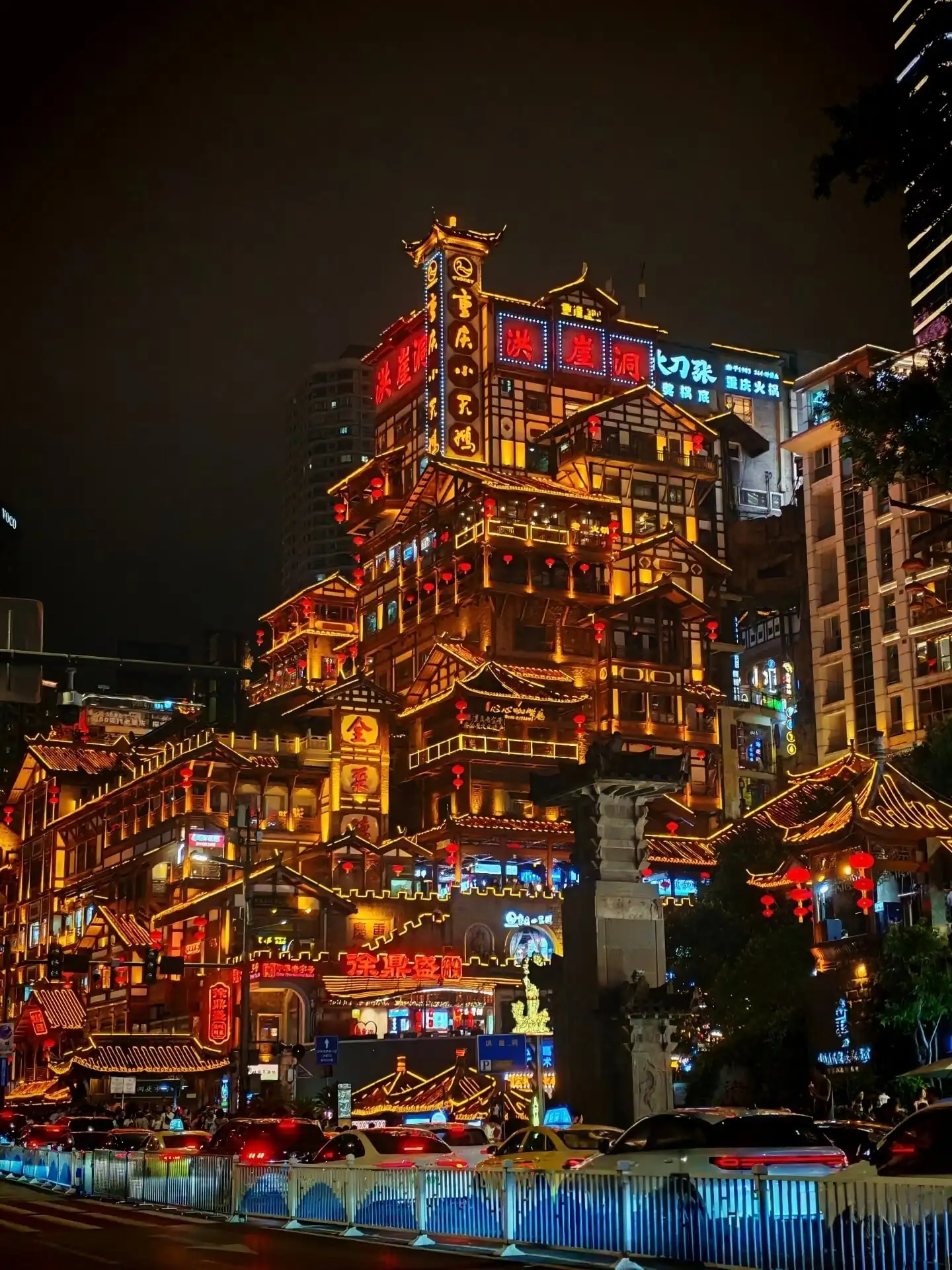
What to Know Before Visiting China 🇨🇳
Planning your first trip to China? China is an exciting destination with ancient history, modern cities, incredible food, high-speed trains and unforgettable landscapes.
But traveling in China can feel a little different from traveling in Europe, the United States or other parts of Asia.
From mobile payments and internet access to transportation, language and everyday life, knowing a few important things before you arrive can make your trip much easier.
This guide covers the most important things to know before visiting China, especially if it is your first time.
1. China Is Huge — Don't Try to See Everything
One of the first things to understand before visiting China is its size.
China is enormous, and major destinations can be surprisingly far apart. Beijing, Shanghai, Xi'an, Chengdu, Chongqing, Guilin and Zhangjiajie all offer very different travel experiences.
Trying to visit too many cities during one trip can leave you spending more time traveling than actually enjoying the destinations.
For a first trip, it is usually better to choose a few destinations that fit your interests.
For example:
History & Culture
Consider:
-
Beijing
-
Xi'an
-
Pingyao
-
Datong
Modern China
Consider:
-
Shanghai
-
Shenzhen
-
Guangzhou
-
Hangzhou
Food & Local Life
Consider:
-
Chengdu
-
Chongqing
-
Guangzhou
-
Xi'an
Nature & Landscapes
Consider:
-
Zhangjiajie
-
Guilin & Yangshuo
-
Huangshan
-
Jiuzhaigou
A good China itinerary is not about seeing the most places. It is about choosing the right places for your travel style.
2. You Will Probably Use Your Phone for Almost Everything 📱
Your phone can be one of your most useful travel tools in China.
You may use it for:
-
Payments
-
Maps
-
Translation
-
Train tickets
-
Ride-hailing
-
Hotel information
-
Restaurant information
-
Communication
Before your trip, make sure your phone is unlocked and ready for international use.
It is also a good idea to install and prepare the apps you may need before arriving.
Depending on your travel plans, useful apps and services may include:
-
Alipay
-
WeChat
-
A translation app
-
A map application
-
A VPN or other suitable connectivity solution, where legally permitted
-
Your airline or train booking apps
Don't wait until you arrive to figure everything out.
3. Mobile Payments Are Extremely Common 💳
One of the biggest differences for many international visitors is how common mobile payments are in China.
Cash is still useful in some situations, but many people in Chinese cities pay using their phones.
Alipay and WeChat Pay are widely used for everyday purchases such as:
-
Restaurants
-
Convenience stores
-
Shopping
-
Transportation
-
Attractions
-
Cafés
-
Small local businesses
Before traveling, learn how to set up your preferred payment method and make sure your bank card can be used successfully.
It is also smart to keep a small amount of cash as a backup.
For first-time visitors, understanding how payments work can make daily travel much easier.
4. Internet Access Can Be Different
Internet access in China may not work exactly the same way as it does at home.
Some international websites and services may be restricted or unavailable.
Before your trip, think about how you will access:
-
Email
-
Messaging services
-
Maps
-
Social media
-
Cloud services
-
Work platforms
Your options may include an international roaming plan, travel eSIM, local SIM or other connectivity services.
Check the latest rules and availability before your trip because internet and telecom services can change.
Also download important information for offline use whenever possible.
For example, save:
-
Hotel addresses
-
Train information
-
Flight details
-
Important phone numbers
-
Basic Chinese phrases
-
Offline maps
5. Google Services May Not Work Normally
This is especially important for travelers who rely heavily on Google services.
Depending on your location and connection method, services such as Google Maps, Google Search, Gmail or other Google products may not work normally in mainland China.
That doesn't mean you cannot travel comfortably.
It simply means you should prepare alternatives before arriving.
For example, you may want to have:
-
An alternative map application
-
An offline translation tool
-
Saved hotel information
-
Offline travel information
Preparation is much easier than trying to solve everything after you arrive.
6. High-Speed Trains Are One of the Best Ways to Travel 🚄
China has one of the world's most extensive high-speed rail networks.
For many popular travel routes, trains can be faster and more convenient than flying.
For example, high-speed trains connect major destinations such as:
-
Beijing
-
Shanghai
-
Xi'an
-
Chengdu
-
Chongqing
-
Hangzhou
-
Guangzhou
-
Shenzhen
Train stations can be large, so give yourself enough time before departure.
Your passport is also important when booking and traveling by train, so make sure your booking information matches your travel document.
If you are traveling between several cities, planning your train routes in advance can make your itinerary much smoother.
👉 If you are planning a multi-city China trip, check the train journey before deciding how many cities to include.
7. Learn a Few Basic Chinese Phrases 🗣️
You don't need to speak Chinese to travel around China.
In major tourist destinations, you can often manage with translation apps and your phone.
However, learning a few simple phrases can make your trip more enjoyable.
Useful phrases include:
Hello: 你好 (Nǐ hǎo)
Thank you: 谢谢 (Xiè xie)
How much? 多少钱?(Duō shǎo qián?)
I don't understand: 我听不懂 (Wǒ tīng bù dǒng)
Can you help me? 可以帮我吗?(Kě yǐ bāng wǒ ma?)
No spicy: 不要辣 (Bú yào là)
Even a few words can make interactions with local people easier.
And don't worry if your pronunciation isn't perfect. Most people will appreciate the effort.
8. English Is Not Spoken Everywhere
In major international hotels, airports and popular tourist areas, you may find staff who speak English.
But English is not widely spoken everywhere.
This is particularly true in smaller cities, local restaurants and neighborhoods away from major tourist attractions.
A translation app can therefore be extremely useful.
One simple trick is to keep your hotel name and address written in Chinese.
If you ever need to show a taxi driver or local person where you are going, the Chinese address can be much more useful than an English address.
9. Food Is a Major Part of the China Travel Experience 🍜
China is not one single food culture.
Different regions have completely different cuisines.
For example:
Beijing: Peking duck, noodles, dumplings
Shanghai: xiaolongbao, local noodles, Shanghainese cuisine
Xi'an: roujiamo, biangbiang noodles, local street food
Chengdu: Sichuan hot pot, mapo tofu, spicy dishes
Chongqing: Chongqing hot pot, spicy noodles
Guangzhou: dim sum and Cantonese cuisine
Don't be afraid to try local restaurants.
Some of the best food experiences may come from small restaurants rather than famous tourist restaurants.
If you cannot eat spicy food, learn how to say:
“不要辣” — No spicy.
10. China Has Many Different Types of Hotels 🏨
Accommodation in China ranges from international luxury hotels to budget hotels, boutique hotels and traditional guesthouses.
When choosing where to stay, don't only look at the hotel itself.
Location is extremely important.
For example, staying near a subway station can make a big difference in a large city.
When booking a hotel, check:
-
Location
-
Subway access
-
Recent reviews
-
Check-in requirements
-
Room size
-
Breakfast
-
Cancellation policy
For your first trip, choosing a convenient location can save you a lot of time.
11. Public Transportation Is Usually Very Convenient 🚇
Major Chinese cities generally have extensive public transportation networks.
The subway is particularly useful in cities such as:
-
Beijing
-
Shanghai
-
Chengdu
-
Chongqing
-
Guangzhou
-
Shenzhen
Taxis and ride-hailing services are also common.
Large cities can have heavy traffic, so don't underestimate travel time.
A destination that looks close on a map may take much longer during rush hour.
When planning your daily itinerary, leave some extra time between attractions.
12. Attractions Can Be Bigger Than You Expect
Popular attractions in China can be enormous.
The Great Wall, Forbidden City, Terracotta Warriors, Summer Palace and many famous scenic areas can easily take several hours to explore.
Don't plan five major attractions in one day just because they appear close together on a map.
A better approach is to group attractions by location.
For example, when visiting Beijing, you might spend one day around the Forbidden City and central Beijing, another day at the Great Wall and another exploring hutongs and local neighborhoods.
This creates a much more relaxed travel experience.
13. Bring Comfortable Shoes 👟
This sounds simple, but it is important.
You may walk much more than expected.
A typical sightseeing day can involve:
-
Walking through large attractions
-
Climbing stairs
-
Exploring old neighborhoods
-
Walking through subway stations
-
Visiting scenic areas
Comfortable shoes can make a huge difference.
Especially if you plan to visit the Great Wall, Zhangjiajie, Huangshan or other mountainous destinations.
14. China Is Generally Safe for Tourists
China is generally considered a safe destination for travelers, especially in major tourist cities.
However, normal travel precautions still apply.
Keep an eye on your belongings in crowded areas and be careful with your passport, phone and wallet.
Be especially careful around:
-
Crowded subway stations
-
Train stations
-
Popular tourist attractions
-
Busy shopping streets
Also keep emergency information and your hotel's contact details available.
15. Be Careful With Tourist Scams
Most people you meet during your trip will simply be going about their daily lives.
However, like any major tourist destination, some tourist areas may have scams or overpriced services.
Be cautious if someone approaches you with an unusually attractive offer.
Common examples can include:
-
Unofficial tour services
-
Extremely cheap transportation offers
-
Overpriced shopping experiences
-
Unclear restaurant pricing
-
Unofficial ticket sellers
Before paying for something, make sure you understand the price and service.
When booking tours, transportation or activities, use reputable platforms or trusted local contacts.
16. Public Holidays Can Change Your Travel Experience 🗓️
Chinese public holidays can be extremely busy.
Major holiday periods can mean:
-
More domestic travelers
-
Crowded attractions
-
Higher hotel prices
-
Busy trains
-
More difficult ticket availability
The Spring Festival period and National Day holiday are particularly important to consider when planning a trip.
If your travel dates are flexible, checking China's holiday calendar before booking your trip can help you choose a more comfortable time to travel.
17. Don't Underestimate the Size of Chinese Cities
Beijing, Shanghai, Chengdu and Chongqing are huge cities.
You may spend 30–60 minutes traveling between different parts of the same city.
This is why itinerary planning matters.
Instead of randomly choosing attractions across the city, organize your itinerary geographically.
For example:
Morning → Attraction A
Lunch → Local restaurant nearby
Afternoon → Attraction B
Evening → Neighborhood or night view nearby
This can save hours of unnecessary transportation.
18. Plan Your China Itinerary Around Your Interests
There is no single “best” China itinerary.
Your ideal route depends on what you want to experience.
First-Time China Trip
A classic route could include:
Beijing → Xi'an → Shanghai
You get:
🏯 Ancient history
🛕 Imperial landmarks
🗿 Terracotta Warriors
🏙️ Modern China
Food & Culture Trip
Consider:
Shanghai → Chengdu → Chongqing → Xi'an
You can experience very different regional cuisines and local cultures.
Nature Trip
Consider:
Zhangjiajie → Guilin → Yangshuo → Shanghai
This combines spectacular landscapes with a modern Chinese city.
The key is not to copy someone else's itinerary blindly.
Build a route that matches your interests.
19. Don't Try to Plan Everything Yourself
China can be easy to travel independently, but the amount of information can also feel overwhelming.
You may need to figure out:
-
Which cities to visit
-
How many days to spend
-
Which train to take
-
Where to stay
-
How to pay
-
Which attractions need reservations
-
Which areas are worth visiting
-
How to avoid tourist traps
This is where a little local knowledge can save a lot of time.
You don't necessarily need an expensive group tour.
You can plan your own trip while getting help with the parts that are difficult.
That's one of the ideas behind Fugo.
20. Travel China Your Way with Fugo 🇨🇳
China doesn't have to be complicated.
You can travel independently, choose your own destinations and create your own itinerary while getting practical advice when you need it.
Fugo helps international travelers understand China before they arrive and plan their trip with more confidence.
Whether you need help with:
🗺️ Destinations
🚄 High-speed trains
🏨 Hotels
💳 Payments
🍜 Food
📱 Apps
🧭 Itineraries
🎫 Attractions
you can simply ask.
Planning Your First China Trip?
Get Fugo's FREE China Travel Guide and start planning your trip.
Or Ask Fugo for practical advice about your China itinerary.
Travel China Your Way.
China Travel Checklist Before You Go
Before leaving home, make sure you have:
☐ Passport and required travel documents
☐ Hotel bookings and addresses
☐ Flight information
☐ Train tickets or train plans
☐ Payment methods prepared
☐ Phone and internet connection
☐ Translation app
☐ Important apps installed
☐ Offline travel information
☐ Travel insurance
☐ Emergency contact information
☐ Comfortable walking shoes
☐ Basic Chinese phrases
A little preparation before your trip can make a huge difference once you arrive.
Frequently Asked Questions
Is China easy to travel for first-time visitors?
Yes. Major Chinese cities have excellent transportation, modern infrastructure and many convenient services. The biggest challenge for first-time visitors is usually understanding how local payments, internet access, transportation and apps work.
Do I need to speak Chinese to visit China?
No. You can travel without speaking Chinese, especially in major tourist destinations. However, a translation app and a few basic Chinese phrases can make your trip much easier.
Can foreigners use mobile payments in China?
International visitors can use supported mobile payment options, but setup requirements can vary. It is best to prepare your payment methods before your trip.
Is cash still useful in China?
Yes. Although mobile payments are extremely common, carrying a small amount of cash as a backup is still a good idea.
How many days do I need for China?
There is no single answer. For a first trip, 7–10 days can work well for a few major destinations, while 2–3 weeks allows you to explore more regions at a relaxed pace.
What should I know before visiting China for the first time?
The most important things are to prepare your payment methods, internet access, transportation, hotel information, translation tools and itinerary before you arrive.
Final Thoughts
Your first trip to China may feel unfamiliar at first, but that is part of the adventure.
Once you understand how transportation, payments, internet access and everyday life work, traveling around China becomes much easier.
The best advice is simple:
Don't try to see everything.
Choose the places that interest you, leave enough time to explore and give yourself the freedom to experience China at your own pace.
Travel China Your Way with Fugo. 🇨🇳